ClothShop Outfit Speichern/Teilen
Das ClothShop Outfit Speichern/Teilen-System verwandelt einfache Bekleidungsgeschäfte in umfassende Modehubs mit erweiterten Funktionen für Kleidungsmanagement.
Video-Vorschau
Click to load video from YouTube. By watching, you agree to their privacy policy.
ClothShop Outfit Save/Share - Fortgeschrittenes Garderobemanagement für FiveM-Kleidungsgeschäfte
Das ClothShop Outfit Save/Share-System revolutioniert das Kleider Management in FiveM, indem es grundlegende Kleidergeschäfte in umfassende Mode-Hubs mit persistenten Outfit-Speicherung, Community-Sharing-Funktionen und sozialen Garderobeneigenschaften verwandelt. Dies ist kein standardmäßiges Kleider-Menü mit einer Speicherfunktion - es ist ein vollständiges Outfit-Ökosystem, in dem Spieler benannte Outfits mit Vorschaubildern erstellen, unbegrenzte Garderoben speichern, ihre Lieblingskombinationen über teilbare Codes mit Freunden teilen, community-erstellte Outfits durchsuchen und ihr gesamtes Kleiderarsenal über eine intuitive Benutzeroberfläche verwalten können. Ideal für Rollenspiel-Server, auf denen das Aussehen der Charaktere eine Rolle spielt, modebewusste Communities oder jeden Server, der die Mode über einmalige Einkäufe hinaus zu einem fortlaufenden Mode-Spiel machen möchte.
Was dieses System einzigartig macht, ist, wie es Kleidung von einer funktionalen Notwendigkeit in eine soziale Aktivität und kreative Ausdrucksform verwandelt. Spieler verbringen Zeit damit, perfekte Outfits zu erstellen, geben sie mit benutzerdefinierten Namen (Sommerstrand-Vibes, Business-Montag, Abendausgang) und Beschreibungen (z. B. "Braune Jacke, schwarze Hose, professionelle Schuhe") speichern, durchstöbern ihre gesamte Garderobe wie ein persönliches Modekatalog und teilen ihre Kreationen mit Freunden oder veröffentlichen sie in Community-Galerien. Das teilbare Outfit-Code-System ermöglicht es Spielern, Modeideen auszutauschen - jemand erstellt ein unglaubliches Cop-Outfit, teilt den Code, die gesamte Abteilung übernimmt es und erhält so einheitliche Uniformen. Diese soziale Zusammenarbeit schafft Modetrends, Signatur-Looks und Community-Identität durch gemeinschaftliche Stil anstelle von zufällig verschiedenen Aussehen.
Im Lieferumfang enthalten
Das ClothShop Outfit Save/Share-Paket bietet eine vollständige Garderobenmanagement-Infrastruktur. Sie erhalten eine verbesserte Kleiderladen-Benutzeroberfläche, die nahtlos in bestehende Kleidersysteme (Standard-FiveM, esx_skin, illenium-appearance, qb-clothing) integriert ist, mit verbessertem Navigations- und Design-Design, ein Outfit-Speichersystem, das unbegrenzte gespeicherte Outfits pro Charakter mit benutzerdefinierten Namen, Beschreibungen und automatisch generierten Vorschaubildern ermöglicht, eine Outfit-Vorschaubildergalerie, die gespeicherte Outfits als visuelles Verzeichnis mit Miniaturansichten für schnelles Durchsuchen und Auswählen anzeigt, eine Quick-Change-Funktionalität, die gespeicherte Outfits an beliebigen Orten (konfigurierbare Orte wie Zuhause, Geschäfte oder globaler Zugriff) sofort ausstattet, Outfit-Sharing-Mechaniken, die eindeutige teilbare Codes generieren, die Spieler an Freunde weitergeben können, die genaue Outfit-Konfigurationen importieren, eine Community-Outfit-Browser, der veröffentlichte Outfits anderer Spieler mit Beliebtheitsbewertungen und Kategorien anzeigt, Outfit-Kategorien und -Verknüpfungen zur Organisation (casual, formal, work, gang, seasonal) und eine Datenbank-Speicherung, die die Outfit-Persistenz über Server-Neustarts und Charakter-Sitzungen sicherstellt.
Konfigurationsdateien ermöglichen es Ihnen, die Freigabe-Berechtigungen (wer kann teilen/importieren), die Outfit-Grenzen (kostenlose vs. VIP-Outfit-Slots), die Ablaufdauer der Outfit-Codes (permanent oder temporäre Codes), die Kategorien-Definitionen, die Integration in bestehende Kleider-Rahmenwerke und die UI-Themen an Ihre Server-Branding-Anforderungen anzupassen.
Schlüsselmerkmale
- Unbegrenzte Outfit-Speicherung - Speichern Sie unendlich viele Outfit-Kombinationen mit benutzerdefinierten Namen und Beschreibungen, erstellen Sie umfassende persönliche Garderoben, die permanent über Sitzungen hinweg bestehen.
- Visuelle Vorschau-Galerie - Durchsuchen Sie gespeicherte Outfits über eine Miniaturansicht-Galerie, die den Charakter in jedem Outfit zeigt, ermöglichen Sie eine schnelle visuelle Auswahl anstelle von Namen-Gedächtnis.
- Sofortiger Outfit-Wechsel - Rüsten Sie jedes gespeicherte Outfit mit einem einzigen Klick aus, ändern Sie die Kleidung sofort an bezeichneten Orten (Zuhause, Geschäfte) oder überall je nach Konfiguration.
- Teilbare Outfit-Codes - Generieren Sie eindeutige Codes für jedes Outfit, teilen Sie sie mit Freunden über Chat/Discord, fügen Sie den Code ein, um die genaue Kleiderkombination zu importieren und den Stil über Spieler hinweg zu erhalten.
- Community-Outfit-Browser - Durchsuchen Sie Outfits, die von anderen Spielern veröffentlicht wurden, filtern Sie sie nach Kategorie, sortieren Sie sie nach Beliebtheit, importieren Sie Favoriten und schaffen Sie eine kollaborative Modekultur.
- Outfit-Kategorien - Etikettieren Sie Outfits als Casual, Formal, Work, Gang, Seasonal, Sports - organisieren Sie die Garderobe logisch und filtern Sie die Galerie nach Kategorie.
- Outfit-Veröffentlichung - Wählen Sie, ob Outfits privat bleiben oder in der Community-Galerie veröffentlicht werden, mit optionalen Beschreibungen, die anderen bei der Suche nach Inspiration helfen.
- Vorschau vor dem Import - Sehen Sie das geteilte Outfit auf Ihrem Charakter vor dem Importieren, stellen Sie sicher, dass es mit Ihren Merkmalen funktioniert, bevor Sie es zur Garderobe hinzufügen.
- Outfit-Verwaltung - Bearbeiten, umbenennen, löschen, duplizieren Sie existing Outfits - volle Kontrolle über die Garderobenorganisation und -wartung.
- Integrationskompatibilität - Funktioniert mit Standard-FiveM-Kleidung, esx_skin, illenium-appearance, qb-clothing und den meisten beliebten Kleider-Rahmenwerken nahtlos.
Ideal für
- Rollenspiel-Server, bei denen das Aussehen des Charakters eine Rolle spielt
- Modebewusste Communities, die Stil und Ästhetik schätzen
- Gang-Server, die einheitliche Farben/Stile aufrechterhalten
- Polizei/EMS-Server, die die einheitliche Farbgebung der Abteilung sicherstellen
- Zivillaufenspiel mit mehreren Outfit-Bedürfnissen (Arbeit, Casual, Formal)
- Server mit Kleidergeschäften, die signaturartige Looks verkaufen
- Community-getriebene Server, die die Kreativität der Spieler fördern
- VIP/Dauerauftrags-Prämien (Premium-Mitglieder erhalten mehr Outfit-Slots)
- Server, die Garderoben-Spielweise jenseits von einmaligen Kleiderkäufen wünschen
Garderoben-Spielablauf
Spieler besuchen Kleiderläden, um Outfits mit Ihrem Server's existing Kleidersystem zu erstellen. Nach dem Fertigstellen eines Looks öffnen sie das Outfit-Speicher-Menü, geben ihrem Schöpfung einen Namen (Detektiv-Geschäftshemd), optional eine Beschreibung (Braune Jacke, schwarze Hose, professionelle Schuhe), wählen eine Kategorie (Arbeit) und speichern. Das System erfasst alle Kleiderkomponentendaten und generiert automatisch ein Vorschaubild.
Ihre Outfit-Galerie zeigt nun diese Schöpfung neben den zuvor gespeicherten Outfits. Sie können visuell durchsuchen, jedes Outfit auswählen und es sofort an geeigneten Orten (Zuhause-Wardrobe, Kleiderläden oder überall, wenn konfiguriert) anziehen. Kein erneutes Erstellen von Outfits aus dem Gedächtnis oder Screenshots - ein Klick Garderoben-Wechsel wie im echten Leben.
Wenn sie etwas Besonderes erschaffen, generieren Spieler einen teilbaren Code aus dem Outfit-Menü. Sie fügen diesen Code in Discord, Server-Chat oder DMs ein. Freunde kopieren den Code, öffnen ihr Outfit-Import-Menü, fügen den Code ein, sehen, wie es auf ihrem Charakter aussieht (berücksichtigt Geschlecht/Körperunterschiede), und importieren es in ihre Garderobe. Jetzt haben beide Spieler das identische Outfit für koordinierte Auftritte zur Verfügung.
Für die Community-Freigabe geben Spieler ihre Lieblingsoutfits in der öffentlichen Galerie mit Titeln und Beschreibungen frei. Andere Spieler durchsuchen community-erstellte Outfits, filtern sie nach Kategorie oder sortieren sie nach Beliebtheit (am häufigsten importiert = Trend), entdecken Modeideen, importieren populäre Looks und tragen selbst zur kollaborativen Modekultur bei.
Soziale und Community-Vorteile
Das Sharing-System schafft emergente soziale Dynamiken rund um die Mode. Gangmitglieder teilen offizielle Gang-Outfit-Codes, um einheitliche Farben und Stil über die gesamte Fraktion hinweg sicherzustellen. Polizeiabteilungen verteilen Uniform-Outfit-Codes an neue Rekruten, um die Abteilungsaussehensstandards zu gewährleisten. Mode-Influencer-Charaktere bauen Reputationen auf, indem sie trendige Outfits veröffentlichen, die jeder will. Kleiderladen-Geschäfte bieten exklusive Outfit-Codes als verkaufbare Produkte an - kaufen Sie den Code, importieren Sie den Look, den der Designer beabsichtigt hat.
Saisonale Ereignisse generieren Outfit-Sharing-Wellen - Halloween-Kostüm-Codes, Weihnachtsfeier-Outfit-Sammlungen, Sommerstrand-Mode-Trends. Communities entwickeln signaturartige Stile - Das ist ein klassisches Grove Street-Outfit, oder Jeder trägt das Valley Girl-Look diesen Monat. Die Mode wird zu lebender Kultur anstelle von zufälliger Individualität.
Technische Details
- Dateigröße: ~8 MB (einschließlich UI-Assets)
- Leistungsauswirkung: <0,01 ms (UI nur aktiv, wenn geöffnet)
- Datenbank: MySQL/MariaDB, die Outfit-Konfigurationen und Sharing-Daten speichern
- Speicher pro Outfit: ~1-2 KB (Kleiderkomponentendaten)
- Vorschaubilder-Generierung: Automatische Miniaturansicht-Aufnahme beim Speichern
- Code-System: Bas64-encoded Outfit-Daten zum Teilen
- Outfit-Grenze: Konfigurierbar (empfohlen 50-100 Standard, unbegrenzt VIP)
- Rahmenwerk-Unterstützung: Automatische Erkennung für ESX/QB-Kleidersysteme
Installation
- Laden Sie das ClothShop Outfit Save/Share-Paket herunter und extrahieren Sie es auf Ihrem Server-ressourcen
- Importieren Sie die enthaltene SQL-Datei, um die outfit_storage, shared_outfits-Datenbanktabellen zu erstellen
- Konfigurieren Sie die config.lua mit Ihrem Kleider-Rahmenwerk (automatische Erkennung oder manuell)
- Setzen Sie die Outfit-Slot-Grenzen (Standardspieler vs. VIP-Stufen, falls Sie Spendenprämien verwenden)
- Konfigurieren Sie die Freigabe-/Import-Berechtigungen (jeder, nur VIP, bestimmte Jobs)
- Definieren Sie die Outfit-Kategorien und -Tags, die Ihren Server-Anforderungen entsprechen
- Fügen Sie die Ressource zu server.cfg hinzu:
ensure clothshop-outfit-system - Starten Sie den Server neu und verifizieren Sie, ob die Datenbanktabellen erstellt wurden
- Testen Sie das Outfit-Speichern, Laden und Teilen mit einem Testkonto
- Konfigurieren Sie die Kleiderladen-Locations, an denen das Outfit-Menü zugänglich ist (oder globaler Zugriff)
Rahmenwerk-Kompatibilität
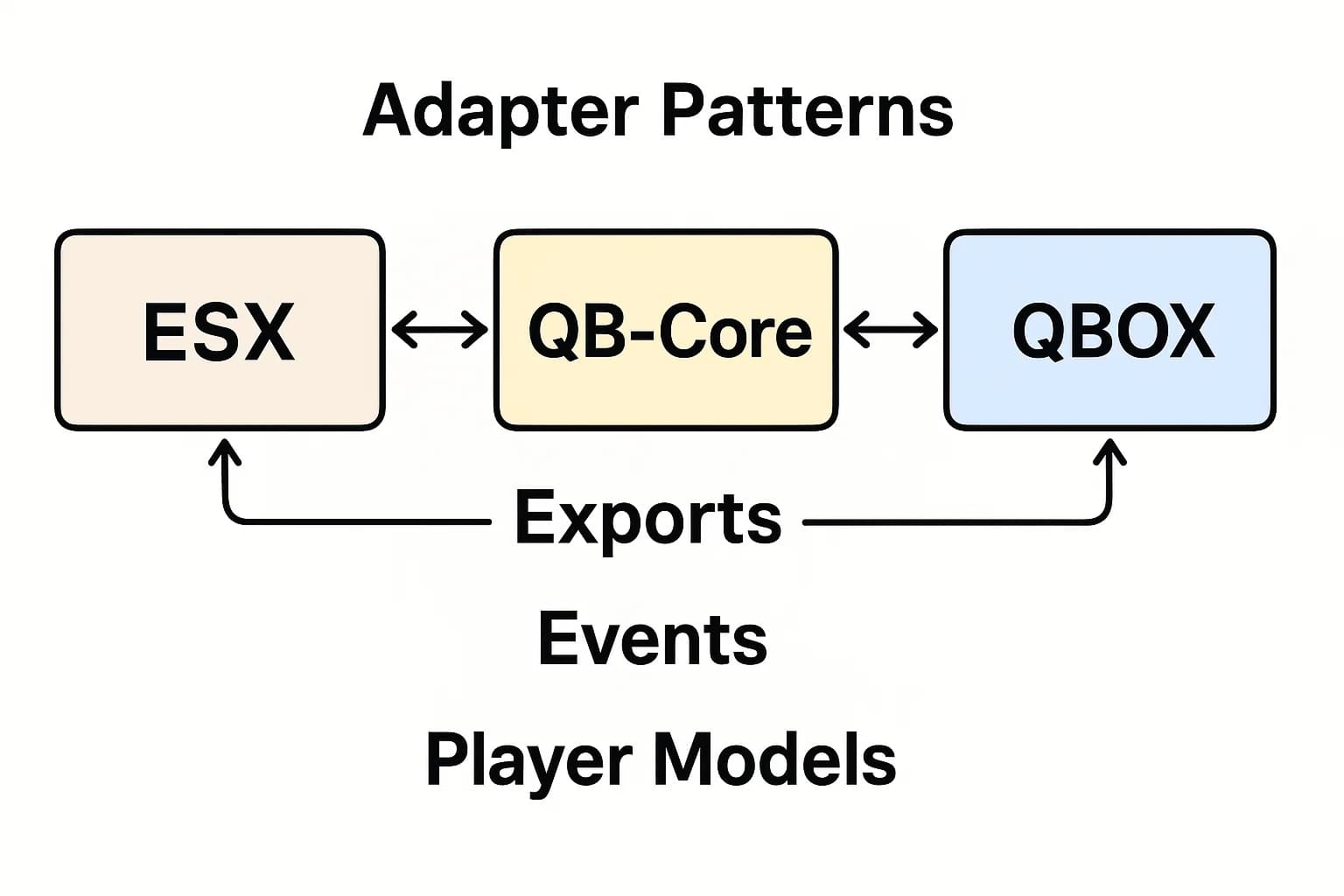
- ✅ ESX Legacy - Funktioniert mit esx_skin, skinchanger und ESX-Kleidersystemen
- ✅ QBCore - Kompatibel mit qb-clothing, illenium-appearance und QB-Wardrobe-Systemen
- ✅ QBOX - Volle Integration mit QBOX-Kleider-Rahmenwerken
- ✅ Standalone - Anpassbar an benutzerdefinierte Kleidersysteme über Hooks
- ✅ Standard-FiveM - Funktioniert mit nativen Kleider-Natives und grundlegenden Systemen
Was macht es einzigartig
Die meisten FiveM-Kleidersysteme sind Einmal-Anwendungen - besuchen Sie den Laden, wählen Sie die Kleidung, gehen Sie, erstellen Sie Outfits manuell jedes Mal, wenn Sie sie ändern möchten. Das ClothShop Outfit-System behandelt Kleidung wie moderne Garderoben-Apps, bei denen Sie favorisierte Kombinationen speichern und bequem wechseln können. Die visuelle Galerie ist kritisch - das Durchsuchen von Miniaturansichten gespeicherter Outfits ermöglicht eine schnelle Auswahl anstelle von Namen-Gedächtnis.
Die Sharing-Mechaniken unterscheiden es von grundlegenden Speichersystemen. Das Generieren von teilbaren Codes verwandelt individuelle Garderoben in Community-Mode-Ressourcen. Neue Spieler fragen Veteranen nach guten Cop-Outfit-Codes. Gangführer verteilen offizielle Farben über Outfit-Shares. Mode-Influencer-Charaktere bauen Reputationen auf, indem sie trendige Outfits veröffentlichen, die andere inspirieren. Diese kollaborative Komponente schafft Engagement jenseits der persönlichen Verwendung.
Die Integration in bestehende Kleider-Rahmenwerke anstelle ihrer Ersetzung respektiert die Server-Investition in aktuelle Systeme. Sie müssen nicht esx_skin oder qb-clothing aufgeben - dieses System erweitert sie mit Save/Share-Funktionen, während es vertraute Oberflächen und Kompatibilität beibehält.
Monetarisierungsmöglichkeiten
Das Outfit-Slot-System schafft eine natürliche VIP-Prämien-Struktur. Freie Spieler erhalten 20-50 Outfit-Slots (genug für gelegentlichen Gebrauch), Bronze-VIP-Mitglieder erhalten 100 Slots, Gold-VIP-Mitglieder erhalten unbegrenzte Slots. Dies fördert Spenden, während es fair bleibt - freie Spieler können auf jeden Fall mit begrenzten Slots funktionieren, VIP ermöglicht Mode-Sammeln.
Kleidergeschäfte (spielergeführt oder NPC) verkaufen exklusive Outfit-Codes als Premium-Produkte. Ein Designer erstellt trendige Outfits, verkauft den Code für In-Game-Geld oder echte Spenden. Käufer importieren den Designer-Look sofort anstelle von manuellem Nachbauen. Dies schafft Designer/Kunde-Dynamiken und Kleider-Marktplatz jenseits von grundlegenden Artikel-Verkäufen.
Exklusive Outfit-Veröffentlichung-Rechte könnten VIP-Prämie sein - freie Spieler speichern Outfits privat, VIP-Mitglieder veröffentlichen sie in der Community-Galerie. Dies belohnt Unterstützer mit Einfluss und Anerkennung, während es grundlegendes Speichern für alle erhältlich bleibt.
Empfohlene Skript-Pairings
Wohnungen/Apartments: Platzieren Sie Garderoben-Interaktionspunkte in Spieler-Heimen, um Outfit-Änderungen ohne Ladenbesuche zu ermöglichen. Wohnungen werden zu funktionalen Wohnräumen anstelle von leeren Dekorationen.
Kleiderläden: Verbessern Sie bestehende Store-Skripte mit Outfit-Management-Zugang. Läden werden zu laufenden Mode-Zielen anstelle von Einmal-Besuchen.
Job-Systeme: Erstellen Sie erforderliche Uniformen als teilbare Outfit-Codes, die an Mitarbeiter verteilt werden. Polizeiabteilungen gewährleisten die einheitliche Farbgebung, Geschäfte sorgen für einheitliche Mitarbeiter-Looks.
Gang-Skripte: Gang-Führer verteilen offizielle Outfit-Codes an Mitglieder, um die Fraktionsidentität und -farben aufrechtzuerhalten.
VIP-Systeme: Integrieren Sie Outfit-Slot-Grenzen mit Spendenstufen, um progressive Vorteilsstrukturen zu schaffen.
Outfit-Organisationsstrategien
Spieler entwickeln persönliche Organisationssysteme: Arbeitsoutfits (Polizeieinheit, Detektivanzug, EMS-Kittel), Casual Wear (tägliche Straßenkleidung, Strandkleidung, Sportkleidung), Formale Anlässe (Anzüge, Kleider, Black Tie), Gangfarben (fraktionsspezifische Outfits), Saisonale (Wintermäntel, Sommershorts, Feierthemen). Gute Kategorien-Tagging erleichtert das effiziente Suchen in großen Garderoben.
Intelligente Benennungskonventionen helfen: PD - Patrol Uniform, Civilian - Casual Friday, Gang - Grove Green Set, Formal - Wedding Guest - Präfix gibt die Kategorie an, was alphabetisches Sortieren logisch macht.
Community-Moderation
Für Server mit Community-Outfit-Galerien implementieren Sie Melde-Systeme für unangemessene veröffentlichte Outfits. Spieler können Outfits melden, die die Server-Regeln verletzen (offensive Kombinationen, Nacktheit bei Einschränkungen, Markenverletzungen). Administratoren überprüfen die Meldungen und entfernen problematische Veröffentlichungen, um familienfreundliche oder serverangemessene Inhalte aufrechtzuerhalten.
Event-Integration
Server-Events nutzen Outfit-Sharing: Halloween-Kostüm-Wettbewerbe, bei denen Teilnehmer themenbezogene Outfits veröffentlichen, Community-Abstimmungen über Favoriten, Mode-Shows, bei denen Designer ihre Kreationen in öffentlichen Versammlungen präsentieren, saisonale Outfit-Sammlungen, die von Administratoren kuratiert werden (Winterkollektion 2025) als Code-Pakete verteilt werden. Diese Events schaffen Engagement rund um die Kleidung jenseits der funktionalen Verwendung.
Pro-Tips
- Erstellen Sie eine Basis-Outfit für jede Job/Rolle, bevor Sie Variationen erstellen (leichter zu modifizieren als neu zu erstellen)
- Verwenden Sie beschreibende Namen einschließlich Farben/Stil, damit die Suche funktioniert (Blauer Anzug - Formal)
- Speichern Sie Vorlagen-Outfits, die Sie häufig modifizieren (speichern Sie die Basis, laden Sie sie, ändern Sie sie, speichern Sie sie als neue Variante)
- Teilen Sie Gang-Outfit-Codes in verschlüsselten Fraktions-Discord-Kanälen (operative Sicherheit)
- Veröffentlichen Sie Ihre besten Kreationen mit guten Beschreibungen, um community recognition zu erhalten
- Importieren Sie populäre Community-Outfits, auch wenn sie nicht Ihrem Stil entsprechen (lernen Sie, was funktioniert, inspirieren Sie Variationen)
- Taggen Sie saisonale Outfits klar, damit Sie sich daran erinnern, die Garderoben zu wechseln (Wintermäntel im Sommer sehen merkwürdig aus)
- Erstellen Sie Outfit-Sets für verschiedene Charaktere, falls Multi-Char-Server (Gang-Charakter, Cop-Charakter, Zivilist)
- Behalten Sie 1-2 Outfit-Slots für temporäre Experimente, ohne sie zu speichern
- Koordinieren Sie mit Freunden für identische Outfit-Codes (Paare, Gang-Einheit, Squad-Ästhetik)