Trygon Inventar
Fortschrittliches und vollständig anpassbares Inventarverwaltungssystem für ESX-Server.
Trygon Inventory - Modern Drag-and-Drop Inventory System
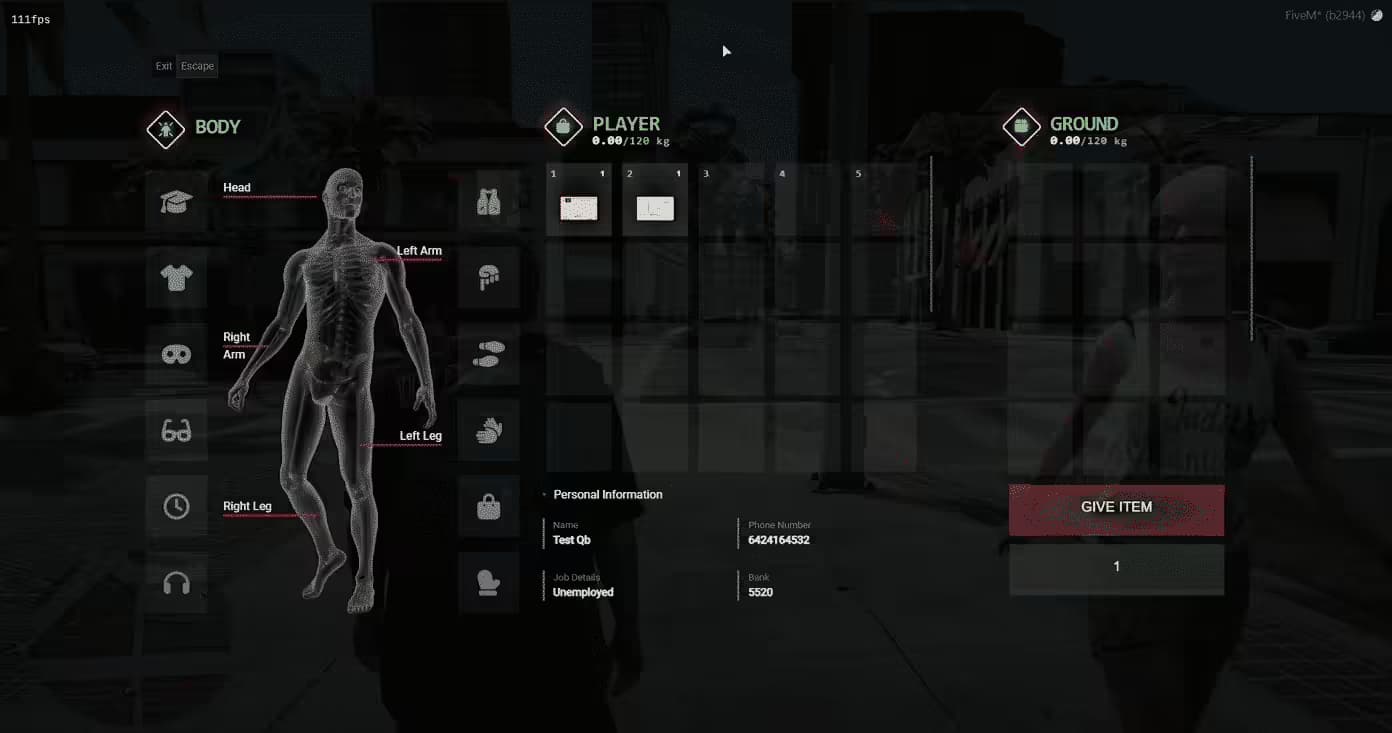
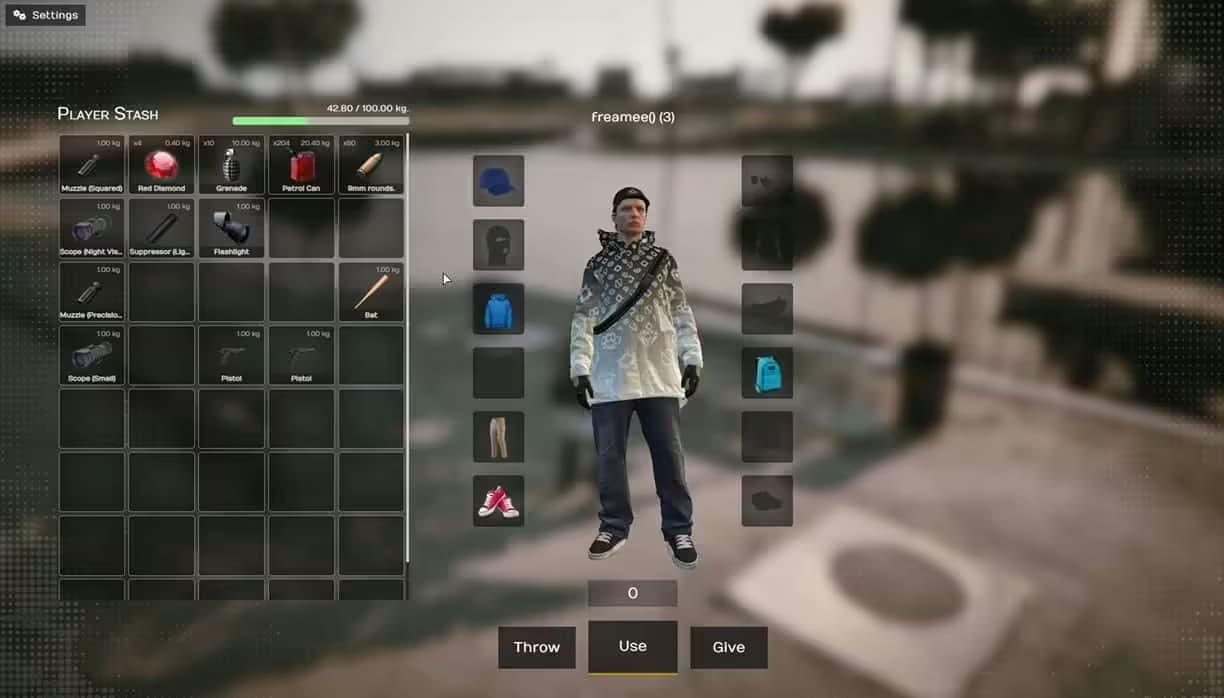
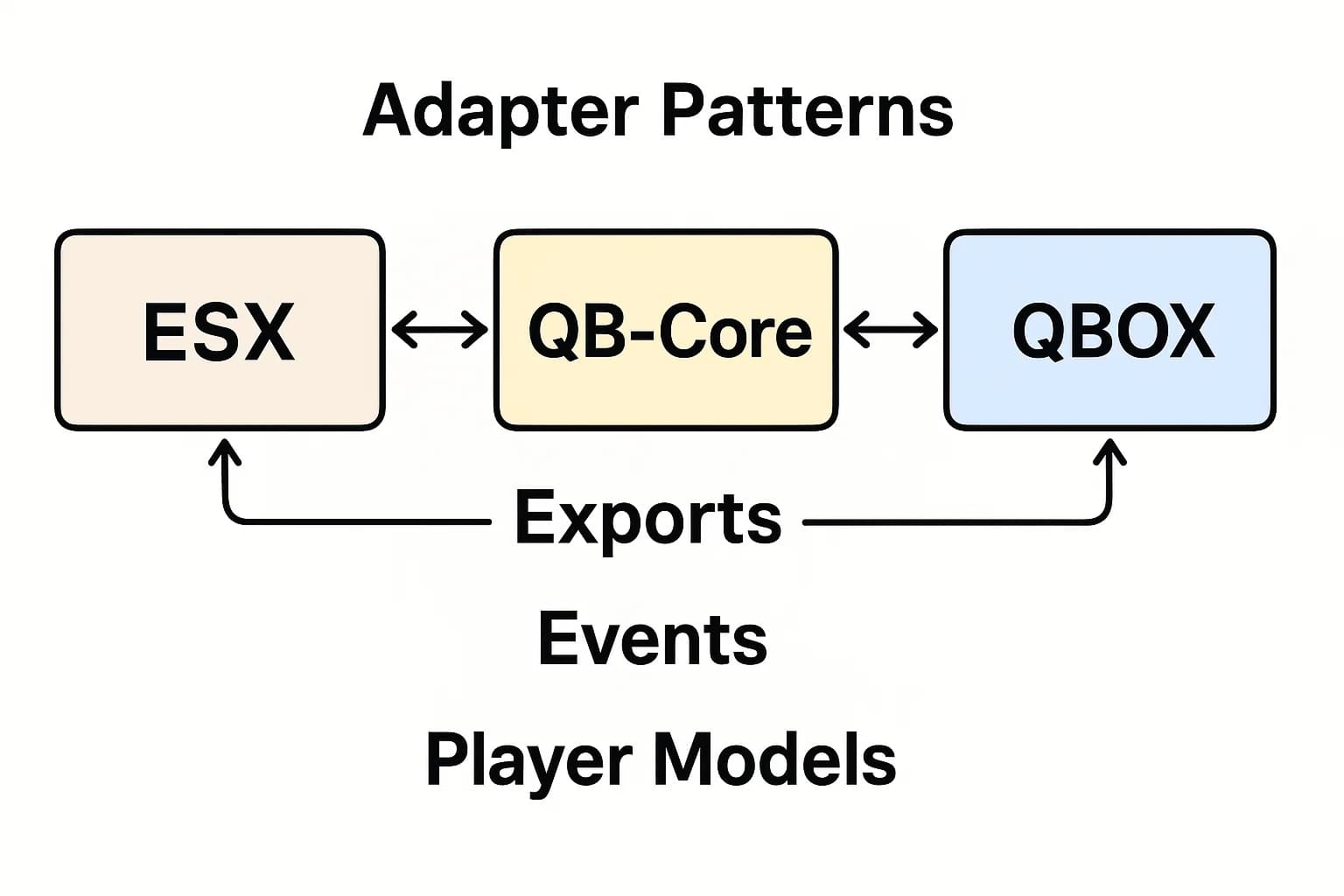
Verändere das Inventar-Erlebnis deines Servers mit Trygon Inventory, einem vollständig offenen Quellcode, modernen Inventarsystem, das intuitive Drag-and-Drop-Mechaniken und atemberaubendes visuelles Design für ESX- und QBCore-Frameworks bietet. Im Gegensatz zu veralteten Inventarsystemen, die klobig und veraltet wirken, bietet Trygon Inventory das glatte, reaktionsschnelle Interface, das heutige Spieler erwarten - vergleichbar mit AAA-Spielen statt zusammengeklebten FiveM-Skripten. Egal, ob du einen neuen Server startest oder von einem grundlegenden Inventarsystem aufgerüstetst, Trygon liefert professionelles Item-Management, das jeden Aspekt deiner Wirtschaft und Spielweise verbessert.
Mit Leistung und Anpassungsfähigkeit im Kern entwickelt, unterstützt Trygon Inventory fortschrittliche Funktionen, für die die meisten Inventar-Skripte Premium-Preise verlangen - und es ist vollständig offen Quelle mit keinem Code-Escrow. Du bekommst vollständigen Zugriff auf 2.400+ optimierte Lua-Zeilen und 2.500+ saubere JavaScript-Zeilen, was eine vollständige Anpassung an die einzigartigen Bedürfnisse deines Servers ermöglicht. Das System verwaltet alles von grundlegenden Item-Speicherung bis hin zu komplexen Crafting, Item-Geben mit animierten Übergängen, RGB-Farb-Anpassung für personalisierte Inventar-Ästhetik und intelligente Gewichts-/Slot-Verwaltung, die Ausnutzungen verhindert, während das Spiel flüssig bleibt.
Trygon Inventory kommt als vollständiger Ersatz für dein aktuelles Inventarsystem, mit allem, was für eine sofortige Einsetzung benötigt wird. Das Paket enthält das Kerninventar-Skript mit Drag-and-Drop-Funktionalität, eine moderne UI, die auf responsivem Design basiert, umfassende Item-Konfigurationsdateien mit Dutzenden vorkonfigurierter Items und Integrationsmodule für sowohl ESX als auch QBCore-Frameworks. Das System unterstützt unbegrenzte Item-Typen mit konfigurierbaren Eigenschaften - stapelbare Items, Waffen mit Aufsätzen, Verbrauchsgegenstände mit Effekten, Crafting-Materialien und einzigartige Items mit benutzerdefinierten Metadaten.
Die UI-Designs bieten glatte Animationen, intelligente Sortieroptionen, Quick-Use-Hotkeys und visuelles Feedback für jede Aktion. Spieler können Items zwischen Inventar-Slots ziehen, Items auf den Boden fallen lassen, damit andere sie aufheben können, Items direkt an nahegelegene Spieler mit animierten Übergabesequenzen geben und Stapel von Items mit einer intuitiven Benutzeroberfläche aufteilen. Das Farbanpassungssystem ermöglicht es Spielern, den Inventar-Hintergrund mithilfe von RGB-Schiebern zu personalisieren, was einzigartige visuelle Stile schafft, die der Charakterpersönlichkeit oder Gangfarben entsprechen.
Administrative Tools sind direkt in das System eingebaut und ermöglichen es Server-Administratoren, Items zu spawnen, Spielerinventare Remote zu überprüfen, problematische Items zu entfernen und Inventar-Transaktionen für die Wirtschaftsgleichheit zu überwachen. Das Skript protokolliert alle signifikanten Inventar-Aktionen - Item-Spawns, Trades, Drop-offs und Deletionen - was Audit-Trails schafft, die helfen, Duplikationsfehler oder Betrugsversuche zu identifizieren. Gewichts- und Slot-Grenzen werden serverseitig durchgesetzt, verhindern die Manipulation auf Client-Seite und bieten klares Feedback, wenn Spieler die Kapazität überschreiten.
Included Features
- Drag-and-Drop-Interface - Intuitive Item-Bewegung durch Ziehen zwischen Slots, Ablegen auf dem Boden oder Geben an nahegelegene Spieler
- RGB-Farb-Anpassung - Spieler personalisieren den Inventar-Hintergrund-Farben mithilfe von RGB-Schiebern für einzigartige visuelle Stile
- Offener Quellcode - Vollständiger Code-Zugriff mit 2.400+ Lua- und 2.500+ JavaScript-Zeilen, keine Escrow-Beschränkungen
- Duale Framework-Unterstützung - Worksseamlessly mit sowohl ESX als auch QBCore-Servern mit framework-spezifischen Optimierungen
- Item-Stilauswahl - Konfigurieren Sie Items mit benutzerdefinierten visuellen Elementen, Icons und Anzeigeeigenschaften für eine einzigartige Darstellung
- Animierte Übergabe von Items - Animierte Sequenzen, wenn Spieler Items aneinander geben, schaffen immersive Interaktionen
- Gewichts- und Slot-Verwaltung - Intelligentes Kapazitätssystem mit Echtzeit-Feedback und serverseitiger Validierung
- Max-Slot-Benachrichtigungen - Klare Warnungen, wenn das Inventar voll ist, verhindern Verwirrung darüber, warum Items nicht aufgenommen werden können
- Item-Aufteilung - Teilen Sie stapelbare Items zwischen Slots oder Spielern mit einem einfachen Rechtsklick-Menü
- Schnellzugriff-Hotkeys - Zuweisen Sie häufig verwendete Items zu Hotbar-Slots für sofortigen Zugriff während des Spiels
- Bodenschatzsystem - Legen Sie Items in der Welt ab, damit andere sie finden oder abholen können, mit benutzerdefinierbaren Despawn-Zeitplanen
- Naher Spieler-Erkennung - Zeigt Spieler in Reichweite für Item-Geben und Handelsinteraktionen an
- Item-Metadaten-Unterstützung - Fügen Sie benutzerdefinierte Daten zu Items hinzu (Dauerhaftigkeit, Qualität, Seriennummern, Besitzernamen)
- Crafting-Integration - Integrierte Haken für Crafting-Systeme, um Zutaten zu überprüfen und gefertigte Items hinzuzufügen
- Shop-System-kompatibel - Worksmit populären Shop-Skripten zum Kaufen/Verkaufen von Inventar-Items
- Waffenanhangssystem - Speichern Sie Waffenmodifikationen und Aufsätze als Item-Metadaten für realistische Waffenzustellung
- Container-Unterstützung - Konfigurieren Sie spezielle Items als Container (Rucksäcke, Taschen), die die Inventarkapazität erweitern
- Suchfunktion - Filtern Sie das Inventar nach Item-Namen für schnellen Zugriff in großen Inventaren
- Leistungsoptimiert - 0,00 ms Leerlauf, minimaler UI-Rendering-Einfluss, effiziente Datenbankabfragen
Ideal für
- Neue Server, die ein modernes, professionelles Inventarsystem von Tag eins an möchten
- Existierende Server, die von veralteten oder begrenzten Inventarskripten aufrüsten
- Entwickler, die vollständigen Code-Zugriff für individuelle Integrationen und Modifikationen benötigen
- Wirtschaftsfokussierte Server, die detaillierte Item-Verfolgung und Handelsüberwachung benötigen
- Rollenspiel-Communities, die immersive Item-Interaktionen mit Animationen möchten
- Server mit komplexen Crafting-Systemen, die flexible Item-Metadaten benötigen
- Communities, die Wert auf Spieleranpassungsoptionen wie RGB-Farbauswahl legen
Technische Details
- Framework-Kompatibilität: ESX (alle Versionen) und QBCore (alle Versionen)
- Code-Zugriff: Vollständig offen Quelle - keine Escrow, vollständige Anpassungsfreiheit
- Zeilen von Code: ~2.400 Lua-Zeilen (Server/Client-Logik), ~2.500 JavaScript-Zeilen (UI)
- Leistung: 0,00 ms Leerlauf, ~0,01-0,02 ms, wenn das Inventar-UI geöffnet ist
- Datenbank: Integriert mit dem existing item storage tables des Frameworks
- Abhängigkeiten: ESX oder QBCore-Framework, keine zusätzlichen erforderlichen Ressourcen
- Optionale Integrationen: Workswith ox_lib, qb-target, Crafting-Skripte, Shop-Systeme
Installation
- Sichere dein aktuelles Inventarsystem und die Datenbank (wichtig für das Rollback, falls benötigt)
- Entpacke trygon_inventory in deinen Ressourcenordner
- Konfiguriere config.lua, um es an deinen Framework (ESX oder QBCore) anzupassen
- Setze Item-Definitionen in items.lua mit Gewichten, Labels und Eigenschaften
- Konfiguriere Gewichts-/Slot-Grenzen pro Spieler oder basierend auf Items (Rucksäcke usw.)
- Füge 'ensure trygon_inventory' zu server.cfg hinzu
- Starte den Server und teste die Inventarfunktionalität mit einigen Spielern
- Personalisiere RGB-Farboptionen und Item-Stile, um das Server-Design zu entsprechen
Drag-and-Drop-Mechaniken
Das Herz von Trygon Inventory ist sein glattes, intuitives Drag-and-Drop-System, das genau so funktioniert, wie Spieler es von modernen Spielen erwarten. Klicke und halte jeden Inventar-Item an, dann ziehe ihn auf einen neuen Slot, um dein Inventar neu zu organisieren. Ziehe einen Item außerhalb deines Inventar-Fensters, um ihn auf den Boden fallen zu lassen, was andere Interaktionen ermöglicht. Ziehe einen Item auf den Namen eines anderen Spielers in der Liste der nahen Spieler, um eine animierte Übergabe-Sequenz zu starten und den Item direkt in ihr Inventar zu übertragen.
Das System bietet während des Ziehens sofortiges visuelles Feedback - der Item, der bewegt wird, folgt deinem Cursor mit einer semi-transparenten Vorschau, gültige Ablagezonen werden in Grün hervorgehoben, ungültige Zonen werden in Rot angezeigt und ein Tooltip zeigt Item-Details während des Drag-Vorgangs an. Wenn du versuchst, einen Item in einen ungültigen Ort abzulegen (wie z. B. das Platzieren einer Waffe in einem nur für Lebensmittel bestimmten Slot auf Servern mit kategorisierten Inventaren), schnappt der Item mit einer subtilen Animation und einem Fehlerton zurück in seine ursprüngliche Position.
Stapelmechaniken werden intelligent gehandhabt. Ziehe einen stapelbaren Item (wie z. B. Lebensmittel, Munition oder Materialien) auf einen anderen Stapel desselben Typs, und das System kombiniert sie automatisch bis zur maximalen Stapelgröße. Wenn der Zielstapel bereits maximal ist, tauschen die Items stattdessen die Positionen. Klicke mit der rechten Maustaste auf einen Stapel, um das Mengenauswahlmenü anzuzeigen, was es ermöglicht, den Stapel in spezifische Mengen zu teilen - perfekt zum Verkauf genauer Mengen an Shops oder zum Geben genauer Mengen an andere Spieler.
RGB-Farb-Anpassung
Trygon Inventory enthält einen einzigartigen RGB-Farbwähler, der es Spielern ermöglicht, ihr Inventar-Interface zu personalisieren. Zugang zum Farbanpassungsmenü über das Inventareinstellungen-Symbol, dann verwende glatte Schieber, um die Werte für Rot, Grün und Blau von 0-255 anzupassen. Das Inventar-Hintergrundbild aktualisiert sich in Echtzeit, während du die Schieber anpasst, was genau zeigt, wie deine Wahl aussehen wird. Spieler können subtile dunkle Themen, leuchtende Gangfarben oder jede Farbkombination vorziehen, die sie bevorzugen.
Serverbesitzer können konfigurieren, ob Farbanpassung für alle Spieler verfügbar ist, auf VIP/Dona