STG Marktplatz
Individueller Marktplatz für Spielerhandel mit anpassbaren Gegenständen und Preisen. Perfekt zur Erweiterung der Serverökonomie.
STG Market - Anpassbarer Spieler Marktplatz für QBCore Server
Erstelle eine dynamische, spielergesteuerte Wirtschaft auf deinem QBCore Server mit STG Market, einem flexiblen Marktplatzsystem, in dem Spieler Gegenstände mit In-Game-Währung kaufen und verkaufen können. Dieses Script verwandelt statische NPC-Shops in lebendige Wirtschaften, in denen die Artikelpreise je nach Spielerhandel schwanken, seltene Gegenstände ihren wahren Marktwert finden und unternehmerisch denkende Spieler von intelligentem Kaufen und Verkaufen profitieren können.
Warum Spieler Marktplätze Server-Wirtschaften verändern
Traditionelle FiveM Server verlassen sich auf NPC-Shops mit Festpreisen, in denen Artikel immer gleich viel kosten, unabhängig von Angebot, Nachfrage oder wirtschaftlichen Bedingungen. Diese statische Preisgestaltung schafft abgestandene Wirtschaften, in denen Artikel nie an Wert gewinnen, Knappheit keine Rolle spielt und unternehmerisches Gameplay unmöglich ist. STG Market führt eine echte Marktdynamik ein, bei der Spieler - und nicht Server-Admins - bestimmen, was Artikel wert sind.
Der Handel von Spieler zu Spieler ermöglicht eine wirtschaftliche Komplexität, die NPC-Shops nicht bieten können. Seltene Gegenstände werden wertvoll, weil sie tatsächlich selten sind, nicht nur, weil Admins hohe Preise festlegen. Handwerker können ihre Produkte direkt an Verbraucher verkaufen. Farmer können geerntete Güter an den Höchstbietenden versteigern. Kriminelle können gestohlene Waren zu Marktpreisen verkaufen. Diese spielergesteuerten Transaktionen schaffen ein aufkommendes Gameplay, das die Wirtschaften auch lange nachdem die Spieler die traditionelle Job-Progression abgeschlossen haben, interessant hält.
Kernfunktionalität des Marktplatzes
Artikel zum Verkauf anbieten
Spieler greifen auf die Marktplatzoberfläche zu, wählen Artikel aus ihrem Inventar aus, legen Angebotspreise fest und erstellen Angebote. Das System entfernt Artikel aus ihrem Inventar und hält sie auf dem Marktplatz, bis sie verkauft oder aus der Liste genommen werden. Dies verhindert Duplizierungsexploits und stellt gleichzeitig sicher, dass Verkäufer nicht von Verkäufen zurücktreten können, nachdem Käufer sich verpflichtet haben.
Der Angebotsprozess ist absichtlich einfach - Verkäufer müssen keine komplizierten Formulare ausfüllen oder komplexe Handelsmechaniken verstehen. Artikel auswählen, Preis eingeben, Angebot bestätigen. Diese Einfachheit fördert die Teilnahme von Gelegenheitsspielern, die kompliziertere Handelssysteme möglicherweise meiden würden.
Durchsuchen und Kaufen
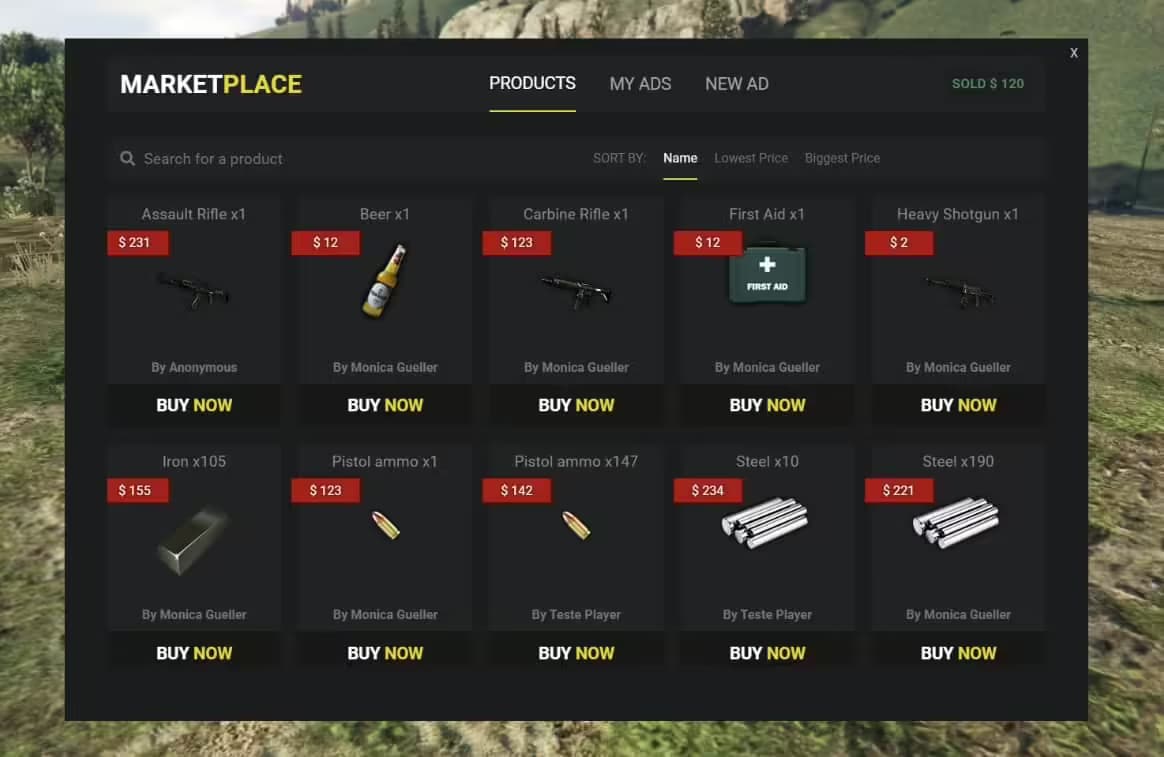
Käufer durchsuchen verfügbare Angebote über kategorisierte oder durchsuchbare Oberflächen, die Artikelnamen, Mengen, Preise und Verkäuferinformationen anzeigen. Wenn sie gewünschte Artikel zu akzeptablen Preisen finden, kaufen sie direkt mit In-Game-Währung. Das Geld wird an den Verkäufer überwiesen und die Artikel erscheinen sofort oder beim nächsten Login im Inventar des Käufers.
Der Marktplatz zeigt den Echtzeit-Inventarbestand an - nur tatsächlich verfügbare Artikel erscheinen in den Angeboten. Spieler verschwenden keine Zeit mit der Suche nach Artikeln, die bereits verkauft wurden, oder nach Angeboten, die Verkäufer entfernt haben. Diese Echtzeitgenauigkeit verhindert Frustration und sorgt dafür, dass sich der Marktplatz aktiv und zuverlässig anfühlt.
Preisermittlung und Marktdynamik
Im Gegensatz zu festen NPC-Preisen schaffen von Spielern festgelegte Preise eine natürliche Marktdynamik. Wenn ein Artikel reichlich vorhanden ist, konkurrieren die Verkäufer, indem sie die Preise senken, um den Lagerbestand abzubauen. Wenn Artikel knapp sind, können Verkäufer von verzweifelten Käufern Premiumpreise verlangen. Im Laufe der Zeit pendeln sich die Marktpreise um Gleichgewichtswerte ein, die das tatsächliche Angebot und die Nachfrage widerspiegeln.
Diese Preisbewegungen schaffen Möglichkeiten für clevere Spieler. Tief kaufen bei Überangebot, Lagerbestand halten, hoch verkaufen bei Engpässen. Diese Spekulation wird zu einem praktikablen Gameplay für Charaktere, die sich auf Handel und nicht auf Produktion oder Kriminalität konzentrieren.
Anpassung und Konfiguration
Item Whitelist/Blacklist Kontrolle
Serverbesitzer können konfigurieren, welche Artikel über den Marktplatz gehandelt werden können. Bestimmte Artikel vollständig blockieren (Waffen, Polizei-Ausrüstung, Admin-Artikel) oder separate Marktkategorien für verschiedene Artikeltypen erstellen. Diese granulare Kontrolle verhindert wirtschaftsschädliche Trades und ermöglicht gleichzeitig legitimen Handel.
Gängige Konfigurationen umfassen das Zulassen aller Verbrauchsmaterialien und Materialien, während Waffen blockiert werden, das Zulassen von Fahrzeugteilen, aber nicht von Fahrzeugen selbst, oder das Erstellen von Tier-Systemen, bei denen gängige Artikel frei gehandelt werden, seltene Artikel jedoch zusätzlichen Beschränkungen unterliegen.
Preislimits und Schutzmaßnahmen
Lege Mindest- und Höchstpreise für Artikel oder ganze Kategorien fest, um offensichtliche Betrügereien und Exploits zu verhindern. Verhindere beispielsweise, dass Spieler wertlose Artikel für Millionen von Dollar anbieten (Betrugsversuche) oder wertvolle Artikel für 1 Dollar anbieten (Geldwäsche). Diese Leitplanken halten den Marktplatz funktionsfähig, ohne dass eine ständige Admin-Überwachung erforderlich ist.
Preislimits können breit gefasst sein (kein Artikel über 100.000 Dollar) oder spezifisch (Waffenpreise zwischen 500 und 10.000 Dollar, Lebensmittelpreise zwischen 5 und 50 Dollar). Die Flexibilität ermöglicht es dir, angemessene Limits für die Wirtschaft deines Servers zu erstellen, ohne legitime Preisschwankungen zu unterdrücken.
Marktplatzstandorte und Zugang
Konfiguriere Marktplatz-Zugangspunkte auf deiner gesamten Karte. Platziere Marktplatzterminals in Stadtzentren, Einkaufsvierteln, Geschäftszentren oder spielereigenen Geschäften. Mehrere Zugangspunkte stellen sicher, dass Spieler die Märkte bequem erreichen können, ohne extra zu einem zentralen Standort reisen zu müssen.
Du kannst bei Bedarf auch einen Fernzugriff auf den Markt konfigurieren, der es Spielern ermöglicht, von überall aus zu stöbern und zu kaufen, während die Erstellung von Angeboten auf physische Standorte beschränkt ist. Dieser hybride Ansatz gleicht Bequemlichkeit mit der Förderung der Spielerinteraktion an Marktplatz-Knotenpunkten aus.
Provision und Besteuerung
Implementiere Marktplatzgebühren, um Geldsenken zu schaffen und Serverwirtschaften zu finanzieren. Erhebe Angebotsgebühren (die im Voraus bei der Erstellung von Angeboten bezahlt werden), Verkaufsprovisionen (Prozentsatz, der von erfolgreichen Verkäufen einbehalten wird) oder beides. Diese Gebühren entziehen der Zirkulation Währung, bekämpfen die Inflation und schaffen gleichzeitig passive Einnahmen für Regierungen oder Marktplatzbetreiber.
Eine typische Konfiguration könnte eine Provision von 5-10 % auf Verkäufe erheben, um sicherzustellen, dass die Märkte über die reine Handelsvermittlung hinaus einen wirtschaftlichen Wert generieren. Die Gebühren sollten aussagekräftig genug sein, um eine Rolle zu spielen, aber nicht so hoch, dass sie von der Nutzung des Marktplatzes abhalten.
Wirtschaftliche Anwendungen
Handwerks- und Produktionswirtschaften
Server mit Handwerkssystemen profitieren enorm von Spieler Marktplätzen. Handwerker produzieren Waren, bieten sie zum Verkauf an und verdienen Geld mit ihrer Arbeit, ohne manuell einzelne Käufer finden zu müssen. Dies ermöglicht Spezialisierung - einige Spieler konzentrieren sich auf das Handwerk, andere auf das Sammeln von Materialien, andere auf den Einzelhandel - wodurch miteinander verbundene wirtschaftliche Rollen entstehen.
Der Marktplatz wird effektiv zum Vertriebskanal für die Produktionswirtschaft deines Servers. Ohne ihn müssen Handwerker den Chat mit Werbung für Waren zuspammen oder zeitaufwändige Direktgeschäfte einrichten. Mit ihm listen sie den Lagerbestand auf und lassen die Nachfrage auf sich zukommen.
Ressourcensammlung und Materialhandel
Farmer, Bergleute, Holzfäller und andere Ressourcensammler können Rohstoffe über den Marktplatz an Handwerker verkaufen, anstatt Materialien zu NPC-Shops zu grinden. Dies schafft Spieler-zu-Spieler-Lieferketten, in denen Sammler Handwerker beliefern, die Einzelhändler beliefern, die Endverbraucher beliefern.
Die Materialpreise schwanken je nach Handwerksnachfrage und Sammelaufwand. Wenn ein beliebtes Handwerksrezept bestimmte Materialien erfordert, steigen die Materialpreise, da die Handwerker um das Angebot konkurrieren. Wenn das Sammeln einfach oder beliebt ist, sinken die Materialpreise aufgrund von Überangebot. Diese Preisbewegungen lenken das Spielerverhalten auf natürliche Weise.
Fahrzeug- und Immobiliengeschäfte
Wenn STG Market so konfiguriert ist, dass es dies zulässt, kann es Fahrzeugverkäufe, Eigentumsübertragungen oder andere hochwertige Transaktionen erleichtern. Spieler verkaufen angepasste Fahrzeuge, die sie aufgerüstet haben, verkaufen Immobilien, die sie zu niedrigen Preisen gekauft haben, oder handeln mit limitierten Artikeln, die sie während Veranstaltungen erhalten haben.
Hochwertige Artikel schaffen aufregende Marktplatzmomente. Wenn jemand einen seltenen Supersportwagen für 500.000 Dollar anbietet, wird dies zu Server-News. Spieler legen Geld zusammen, um gemeinsam zu kaufen, Kriminelle planen Raubüberfälle, um Marktplatzgeld zu stehlen, und der Marktplatz wird zu einem sozialen Zentrum rund um wichtige Angebote.
Arbitrage und Händler-Gameplay
Engagierte Händler können Karrieren machen, indem sie unterbewertete Artikel kaufen und zu Marktpreisen weiterverkaufen. Dieses Arbitrage-Gameplay schafft einen legitimen Händlerberuf, der über die bloße Führung von Unternehmen oder das Handwerk hinausgeht. Erfolgreiche Händler erarbeiten sich einen Ruf, Spieler suchen sie nach schwer zu findenden Artikeln und der Handel wird zu einem aktiven Gameplay und nicht zu einer passiven NPC-Interaktion.
QBCore Integration
STG Market wurde speziell für das QBCore Framework entwickelt und lässt sich nahtlos in das Inventarsystem, die Geldverwaltung und die Benachrichtigungssysteme von QBCore integrieren. Das Script verwendet das gemeinsam genutzte Objekt von QBCore, wodurch es mit den meisten QBCore-basierten Servern ohne zusätzliche Bridge-Konfiguration kompatibel ist.
Inventarsystem-Kompatibilität
Funktioniert mit qb-inventory und den meisten QBCore-kompatiblen Inventarsystemen. Wenn Spieler Artikel anbieten, werden diese mit Standard-QBCore-Methoden aus dem Inventar entfernt. Wenn Käufe abgeschlossen sind, werden Artikel über die ordnungsgemäße QBCore-Artikelerstellung zum Inventar des Käufers hinzugefügt. Diese Integration verhindert Duplizierungsfehler und stellt sicher, dass Marktplatztransaktionen korrekt mit den übrigen Artikelsystemen deines Servers interagieren.
Geld und Bankwesen
Transaktionen verwenden das Geldsystem von QBCore (Bargeld und/oder Bankguthaben, je nach Konfiguration). Du kannst konfigurieren, ob Marktplatzkäufe von Bargeld, Bank oder der Wahl des Spielers abgezogen werden. Verkaufserlöse können an das Bargeld des Verkäufers ausgezahlt oder automatisch auf sein Bankkonto eingezahlt werden.
Job- und Gang-Integrationsoptionen
Beschränke bestimmte Marktplatzfunktionen bei Bedarf auf bestimmte Jobs oder Gangs. Erlaube beispielsweise nur Spielern mit Händlerjob, Angebote zu erstellen, oder lasse Gangmitgliedern den Zugriff auf spezielle Schwarzmarktkategorien zu. Diese Integration fügt Rollenspieltiefe hinzu, indem sie Wirtschaftssysteme mit Charakterberufen verbindet.
Benutzeroberfläche und Erfahrung
Die Marktplatz-UI muss intuitiv sein, da sie das primäre Werkzeug für die wirtschaftliche Interaktion ist. STG Market bietet übersichtliche Oberflächen zum Durchsuchen von Angeboten (mit Filterung und Suche), zum Erstellen neuer Angebote (mit Preisvalidierung) und zum Verwalten aktiver Angebote (Anzeigen, Bearbeiten oder Abbrechen).
Spieler können ihren eigenen Angebotsverlauf einsehen, um zu verfolgen, was zu welchen Preisen verkauft wurde, was ihnen hilft, zukünftige Angebote angemessen zu bepreisen. Käufer können nach Artikeltyp, Preisspanne oder Verkäufer filtern, um schnell genau das zu finden, was sie benötigen.
Echtzeit-Updates stellen sicher, dass Spieler genaue Informationen sehen. Wenn Artikel verkauft werden, verschwinden sie sofort aus den Angeboten. Wenn neue Artikel angeboten werden, werden sie allen Benutzern angezeigt, ohne dass eine Aktualisierung erforderlich ist. Diese Reaktionsfähigkeit sorgt dafür, dass sich der Marktplatz lebendig und vertrauenswürdig anfühlt.
Anti-Exploit-Funktionen
Marktplatzsysteme sind Hauptziele für Exploits - Artikelduplizierung, Geldwäsche, Preismanipulationsbetrug. STG Market enthält Schutzmaßnahmen gegen gängige Exploits:
- Artikelvalidierung - Überprüft, ob Artikel im Inventar des Verkäufers vorhanden sind, bevor Angebote zugelassen werden
- Atomare Transaktionen - Entfernt Artikel und fügt Geld in einzelnen Datenbankoperationen hinzu, um Teilausfälle zu verhindern
- Preis-Plausibilitätsprüfungen - Erzwingt Mindest-/Höchstpreislimits, um offensichtliche Exploits zu verhindern
- Cooldown-Systeme - Optionale Cooldowns zwischen der Erstellung von Angeboten verhindern Spam und Manipulation
- Audit-Protokollierung - Verfolgt alle Marktplatztransaktionen zur Admin-Überprüfung bei Bedarf
Diese Schutzmaßnahmen laufen transparent ab - legitime Benutzer bemerken sie nie, aber sie verhindern die gängigen Exploits, die Marktplatzwirtschaften auf weniger geschützten Systemen ruinieren.
Installation und Einrichtung
- Lade STG Market herunter und entpacke es in den Ressourcenordner deines QBCore Servers
- Importiere die SQL-Datei, um Marktplatz-Datenbanktabellen zu erstellen
- Konfiguriere zulässige Artikel, Preislimits und Provisionssätze in config.lua
- Richte Marktplatz-Zugangsstandorte ein (Koordinaten für Marktplatzterminals oder NPCs)
- Füge Marktplatz-Zugangsbefehle hinzu oder integriere sie in bestehende Job-/Standortsysteme
- Füge ensure stg-market zu server.cfg hinzu
- Starte den Server neu und teste die Angebots-/Kaufabläufe
- Überwache die anfängliche Marktplatzaktivität und passe die Preislimits basierend auf der Serverwirtschaft an
Ausgleich der Marktplatzökonomie
Die Einführung von Spieler Marktplätzen verändert die Serverwirtschaften grundlegend. Einige Überlegungen zur Aufrechterhaltung des Gleichgewichts:
Wettbewerb mit NPC-Shops - Wenn NPC-Shops Artikel zu hohen Preisen kaufen, werden Spieler den Marktplatz nie zum Verkaufen nutzen. Wenn NPC-Shops Artikel billig verkaufen, werden Spieler nicht auf dem Marktplatz kaufen. Konfiguriere die NPC-Shop-Preise so, dass sie weniger günstig sind als der Spielerhandel, um die Nutzung des Marktplatzes zu fördern.
Verhindern von Inflation - Marktplatzgebühren (Provisionen) entziehen der Wirtschaft Geld, aber die Marktplatzaktivität generiert auch Wohlstand durch effizienten Handel. Überwache die Geldmenge deiner Wirtschaft und passe die Provisionssätze an, wenn die Inflation problematisch wird.
Knappheitsmanagement - Wenn jeder Artikel leicht verfügbar ist, hat nichts auf dem Marktplatz einen Wert. Stelle sicher, dass dein Server eine echte Knappheit für einige Artikel aufweist, indem du limitierte Drops, herausfordernde Akquisitionsmethoden oder eingeschränkte Handwerksrezepte verwendest. Knappheit treibt die Marktplatzaktivität an.
Starten des Marktplatzes - Neue Marktplätze starten leer, was die Nutzung entmutigt. Bestücke deinen Marktplatz mit von Admins gelisteten Artikeln zu angemessenen Preisen, um die Funktionalität zu demonstrieren und Early Adopters etwas zum Kaufen zu geben. Sobald die Spielerangebote eine kritische Masse erreichen, entferne die Admin-Angebote.
Warum Server STG Market wählen
Spielergesteuerte Wirtschaften sind deutlich ansprechender als von Admins diktierte Festpreise. Sie schaffen ein fortlaufendes wirtschaftliches Gameplay, ermöglichen aufkommende Spielerinteraktionen und verleihen deinem Server mehr Tiefe als nur Jobs und Kriminalität. STG Market bietet die Infrastruktur für diese Spieler-zu-Spieler-Transaktionen in einem QBCore-optimierten Paket.
Für nur 13,99 $ bietet dieses Script einen außergewöhnlichen Wert für Server, die ihre Wirtschaftssysteme verbessern möchten, ohne in komplexe kundenspezifische Entwicklungen zu investieren. Die Konfigurationsflexibilität bedeutet, dass du mit grundlegenden Funktionen beginnen und die Marktplatzfunktionen erweitern kannst, wenn deine Serverwirtschaft reift.
Speziell für QBCore Server eliminiert die native Integration von STG Market Kompatibilitätsprobleme und stellt sicher, dass Marktplatztransaktionen vom ersten Tag an korrekt mit deinen bestehenden Inventar-, Geld- und Jobsystemen interagieren.
https://www.youtube.com/watch?v=PrJriXgICGY