Lyra Rechnungssystem
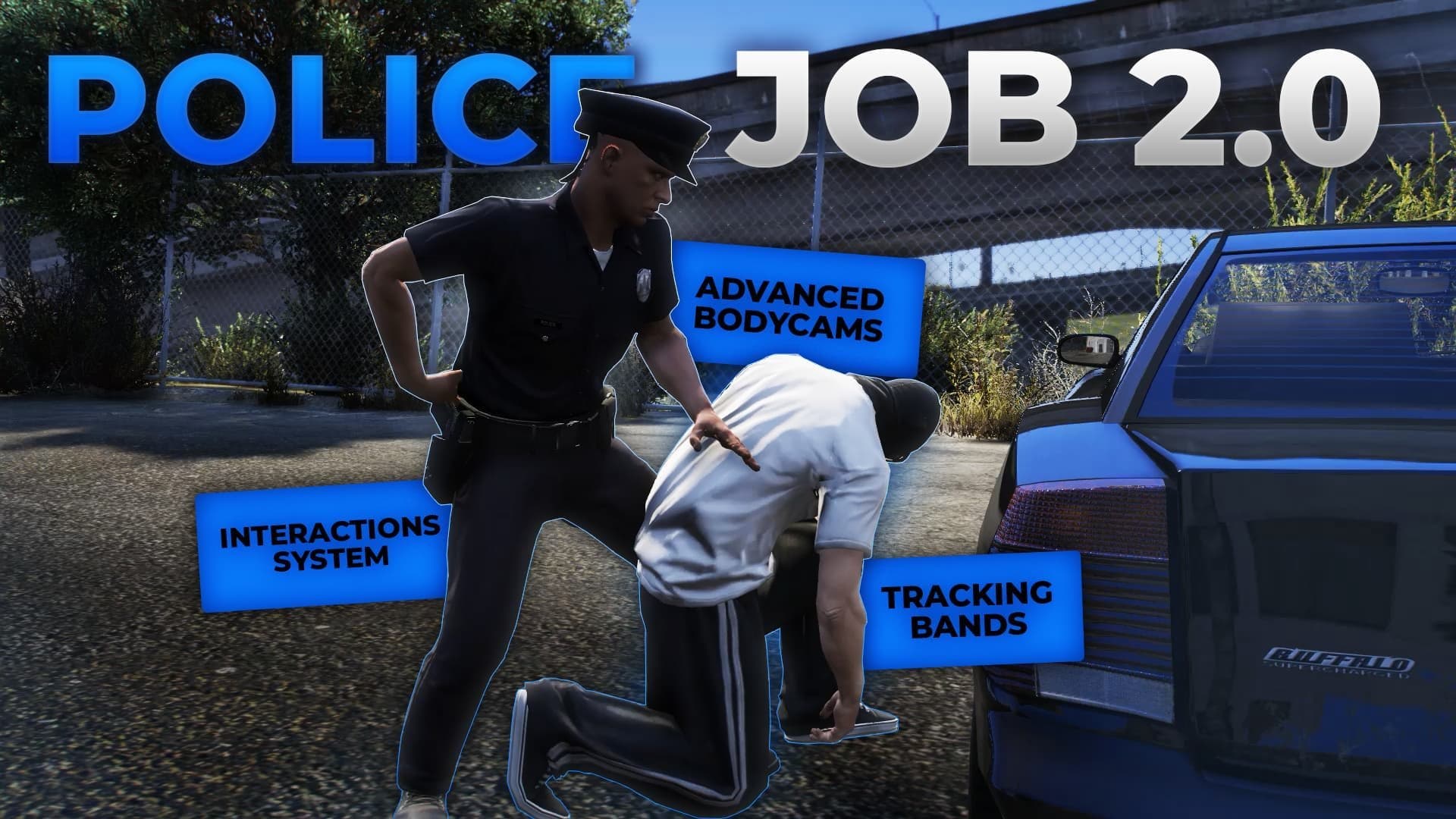
Ein Rechnungssystem, das Polizisten ermöglicht, Spielern Rechnungen für Vergehen auszustellen.
Lyra Billing - Professionelles Rechnungssystem für QBCore Strafverfolgungsbehörden
Verbessere die Strafverfolgungsfähigkeiten deines QBCore Servers mit diesem umfassenden Rechnungssystem, das es Polizeibeamten ermöglicht, professionelle Rechnungen für Verbrechen, Verstöße und zivilrechtliche Übertretungen auszustellen. Anstatt Geldbußen durch verwirrende manuelle Geldtransfers oder unrealistische Sofortzahlungen abzuwickeln, erstellt dieses Script einen authentischen Workflow für Strafzettel und Rechnungen, der reale rechtliche Prozesse widerspiegelt. Beamte dokumentieren Verstöße, stellen detaillierte Rechnungen mit spezifischen Gebühren aus, und das System verfolgt den Zahlungsstatus, während es sich nahtlos in die Bankinfrastruktur deines Servers integriert. Dies ist nicht nur ein Script für Geldbußen – es ist ein komplettes Rechenschaftssystem, das dem Legal Roleplay Tiefe verleiht und sinnvolle finanzielle Konsequenzen für kriminelles Verhalten schafft.
https://www.youtube.com/watch?v=sx_ExchkD-IWas ist enthalten?
Dieses komplette Abrechnungspaket bietet Strafverfolgungsbehörden professionelle Tools zur Rechnungsverwaltung, die alles von Verkehrsverstößen bis hin zu schweren kriminellen Strafen abwickeln. Beamte greifen auf eine intuitive Benutzeroberfläche zu, in der sie den Täter auswählen, aus konfigurierbaren Verstoßkategorien wählen und detaillierte Rechnungen erstellen, die im Bankensystem des Empfängers erscheinen. Die anpassbare Gebührenstruktur ermöglicht es Serverbesitzern, Geldbußen mit wirtschaftlichen Realitäten in Einklang zu bringen – indem sie angemessene Strafen festlegen, die Verstöße ahnden, ohne die Spieler in den Bankrott zu treiben.
Das System verfolgt alle ausgestellten Rechnungen mit detaillierten Aufzeichnungen, einschließlich des ausstellenden Beamten, der Beschreibung des Verstoßes, der geschuldeten Beträge, des Zahlungsstatus und der Zeitstempel. Dies schafft Rechenschaftspflicht auf beiden Seiten: Zivilisten wissen genau, wofür sie belastet werden, und Vorgesetzte können die Aktivitäten der Beamten überprüfen, um sicherzustellen, dass die Verfahren korrekt eingehalten werden. Die Zahlungsabwicklung ist in die QBCore Bankensysteme integriert und zieht automatisch Gelder ab, wenn Bürger ihre Rechnungen bezahlen, während die Beamten über den Abschluss der Zahlung benachrichtigt werden. Unbezahlte Rechnungen häufen sich an und erzeugen finanziellen Druck und potenzielle rechtliche Konsequenzen für Gewohnheitstäter.
Hauptmerkmale
- Professionelle Rechnungserstellung - Beamte erstellen detaillierte Abrechnungsdokumente mit spezifischen Beschreibungen der Verstöße und Beträgen
- Anpassbare Verstoßkategorien - Konfiguriere unbegrenzt viele Verstoßarten mit voreingestellten Beträgen (Verkehr, Sachbeschädigung, Körperverletzung, Drogenvergehen usw.)
- Spielerauswahl-Interface - Das einfache Zielsystem ermöglicht es Beamten, Spieler in der Nähe auszuwählen, um Strafzettel auszustellen
- Detaillierte Abrechnung - Mehrere Verstöße können zu einer einzigen Rechnung mit Einzelpostendetails zusammengefasst werden
- Bankintegration - Nahtlose Verbindung mit QBCore Bankensystemen für automatische Zahlungsabwicklung
- Zahlungsverfolgung - Echtzeit-Statusaktualisierungen zeigen, welche Rechnungen bezahlt, ausstehend oder überfällig sind
- Rechnungshistorie - Vollständige Aufzeichnung aller von jedem Beamten ausgestellten Strafzettel zur Rechenschaftspflicht und Überprüfung
- Benachrichtigungssystem - Spieler erhalten Benachrichtigungen, wenn Rechnungen ausgestellt werden, und Zahlungsbestätigungen, wenn sie beglichen werden
- Konfigurierbare Strafen - Lege benutzerdefinierte Beträge für jede Verstoßart fest, um sie an das wirtschaftliche Gleichgewicht deines Servers anzupassen
- Rechenschaftspflicht der Beamten - Vorgesetzte können die Abrechnungsaktivitäten überprüfen, um sicherzustellen, dass die Beamten die Richtlinien der Abteilung befolgen
- Sauberes UI Design - Professionelle Benutzeroberfläche, die sowohl für Beamte als auch für Zivilisten intuitiv ist
- Performanceoptimiert - Leichtgewichtiges Script, das die Serverleistung nicht beeinträchtigt
Perfekt für
- Verkehrsüberwachung - Ausstellung von Strafzetteln für Geschwindigkeitsüberschreitungen, rücksichtsloses Fahren, Falschparken und Fahrzeugverstöße
- Vermögensdelikte - Abrechnung von Vandalismus, Hausfriedensbruch und Sachbeschädigung mit angemessenen Strafen
- Zivilrechtliche Übertretungen - Bearbeitung von Lärmbeschwerden, Trunkenheit in der Öffentlichkeit, Herumlungern und geringfügigen Verstößen
- Kriminelle Strafen - Verhängung von Geldbußen für Körperverletzung, Drogenbesitz, Waffenbesitz und schwere Straftaten
- Gerichtlich angeordnete Zahlungen - Bearbeitung von Entschädigungen, Kautionsbeträgen und gerichtlich angeordneten Gebühren
- Einhaltung von Vorschriften - Verhängung von Geldbußen für Unternehmen wegen Lizenzverstößen, Verstößen gegen Gesundheitsvorschriften oder Genehmigungsproblemen
- Rechenschaftssysteme - Verfolgung finanzieller Konsequenzen und Schaffung sinnvoller Abschreckungsmittel für Wiederholungstäter
Realistischer Abrechnungs-Workflow
Stell dir folgendes Szenario vor: Ein Beamter hält ein zu schnelles Fahrzeug an. Nachdem er den Führerschein des Fahrers überprüft und die Verkehrskontrolle durchgeführt hat, öffnet der Beamte das Abrechnungssystem und wählt den Täter aus den Spielern in der Nähe aus. Die Benutzeroberfläche zeigt konfigurierbare Verstoßkategorien an – der Beamte wählt Geschwindigkeitsüberschreitung (20+ über dem Limit) mit einer voreingestellten Geldstrafe von 500 $ und fügt das Versäumnis, ein Signal zu geben, für zusätzliche 100 $ hinzu. Das System generiert eine professionelle Rechnung in Höhe von 600 $ mit detaillierten Verstößen.
Der Fahrer erhält eine sofortige Benachrichtigung: Du hast eine Rechnung von Officer J. Smith erhalten - Gesamtbetrag: 600 $. Grund: Verkehrsverstöße. Zahlung fällig innerhalb von 30 Tagen. Die Rechnung erscheint mit allen Details in ihrer Banking-App. Der Fahrer kann sofort mit seinem Bankkonto bezahlen oder die Zahlung aufschieben, wenn er knapp bei Kasse ist. Das System verfolgt den unbezahlten Saldo und kann Konsequenzen auslösen, wenn er ignoriert wird – Führerscheinentzug, Haftbefehle oder zusätzliche Strafen.
In der Zwischenzeit wird die Abrechnungshistorie des Beamten mit dem neuen Strafzettel aktualisiert. Vorgesetzte, die die Aktivitäten der Beamten überprüfen, sehen die Rechnung mit allen Details: wer für welche Verstöße angeklagt wurde und die Beträge. Dies schafft Rechenschaftspflicht – Beamte können keine willkürlichen Geldbußen verhängen, da ihre Aktivitäten dokumentiert und überprüfbar sind. Wenn ein Bürger eine Gebühr bestreitet, unterstützen die detaillierten Aufzeichnungen eine faire Lösung durch Rollenspiel-Anhörungen oder eine administrative Überprüfung.
Installation
- Lade das Lyra Billing Script von deiner Kaufbestätigung herunter
- Entpacke den Ressourcenordner in das Ressourcenverzeichnis deines QBCore Servers
- Füge deiner server.cfg hinzu:
ensure [lyra-billing] - Konfiguriere Verstoßkategorien und Geldbeträge in der config.lua Datei
- Lege Berechtigungen fest, um den Zugriff auf die Abrechnung auf Polizei Job Rollen zu beschränken
- Konfiguriere die Bankintegration, um sie an das Bankensystem deines Servers anzupassen (qb-banking, okokBanking usw.)
- Passe die Benachrichtigungseinstellungen und UI Präferenzen an
- Richte Ablauf-Timer für Rechnungen und Konsequenzen bei verspäteter Zahlung ein (optional)
- Teste das System mit Polizei- und Zivilspielern, um die ordnungsgemäße Funktionalität zu überprüfen
- Starte deinen Server neu und schule die Beamten in den korrekten Abrechnungsverfahren
Technische Spezifikationen
- Framework - Speziell für QBCore mit nativer qb-core Integration entwickelt
- Performance - Leichtgewichtiger Betrieb mit vernachlässigbarer Ressourcenauslastung (0.00-0.01ms)
- Datenbank - Verwendet die QBCore Datenbankstruktur für die Rechnungsablage und Spielerdaten
- Bankenkompatibilität - Funktioniert mit qb-banking, qb-management, okokBanking und anderen gängigen Bankensystemen
- UI Framework - Saubere, reaktionsschnelle Benutzeroberfläche, die auf allen Bildschirmauflösungen funktioniert
- Berechtigungen - Jobbasierte Zugriffskontrolle stellt sicher, dass nur autorisiertes Personal Rechnungen ausstellen kann
- Benachrichtigungssystem - Kompatibel mit qb-core Benachrichtigungen oder benutzerdefinierten Benachrichtigungs-Scripts
- Datenspeicherung - Permanente Rechnungsdatensätze, die in der Datenbank mit vollständiger Verlaufsprotokollierung gespeichert werden
Framework Kompatibilität
- ✅ QBCore - Speziell für das QBCore Framework entwickelt mit vollständiger Integration für alle Kernsysteme
- ✅ QB-Banking - Native Integration mit dem Standard QBCore Banking für die Zahlungsabwicklung
- ✅ okokBanking - Auch kompatibel mit okokBanking, wenn du von Standard Banking aktualisiert hast
- ✅ QB-Policejob - Integriert sich in qb-policejob für die Berechtigungskontrolle und das Beamtenmanagement
- ✅ QB-Management - Kompatibel mit Managementsystemen für die Rechnungsverwaltung
- ✅ Custom Banking - Konfigurierbar für die Zusammenarbeit mit benutzerdefinierten Banking-Scripts über einfache Exportfunktionen
Konfigurationsflexibilität
Die config.lua Datei bietet vollständige Kontrolle über Verstoßkategorien und Geldbußenstrukturen. Erstelle unbegrenzt viele Verstoßarten, geordnet nach Schweregrad – Verkehrsverstöße, Vergehen, Verbrechen, zivilrechtliche Verstöße und Ordnungswidrigkeiten. Jede Kategorie kann voreingestellte Beträge haben oder es Beamten ermöglichen, benutzerdefinierte Werte innerhalb konfigurierter Bereiche einzugeben.
Beispielkonfiguration: Verkehrsverstöße können zwischen 50 $ (defektes Rücklicht) und 1.500 $ (extrem rücksichtsloses Fahren) liegen. Sachbeschädigung könnte von 200 $ (geringfügiger Vandalismus) bis 10.000 $ (schwere Zerstörung) reichen. Drogenvergehen könnten 500 $ für Besitz, 2.500 $ für Vertrieb und 10.000 $ für Herstellung verhängen. Diese konfigurierbaren Bereiche stellen sicher, dass die Geldbußen mit dem wirtschaftlichen Gleichgewicht und den Progressionssystemen deines Servers übereinstimmen.
Die Zahlungsbedingungen können mit Fälligkeitsterminen, Verzugsgebühren und Konsequenzen bei Nichtzahlung angepasst werden. Lege fest, dass Rechnungen nach 7 Tagen, 30 Tagen oder einem beliebigen Zeitraum ablaufen, der zu deinem Roleplay-Tempo passt. Konfiguriere automatische Verzugsgebühren, die sich täglich für unbezahlte Rechnungen ansammeln. Integriere dich in Haftbefehlssysteme, bei denen unbezahlte Geldbußen über bestimmten Schwellenwerten Haftbefehle auslösen. Die Flexibilität stellt sicher, dass die Abrechnungskonsequenzen mit der Intensität des Legal Roleplay deines Servers übereinstimmen.
Was es auszeichnet
Im Gegensatz zu einfachen Geldbußen-Scripts, die sofort Geld ohne Dokumentation abziehen, schafft Lyra Billing ein professionelles Rechenschaftssystem, das die Roleplay-Qualität verbessert. Beamte nehmen ihre Durchsetzungsmaßnahmen ernster, wenn sie Verstöße ordnungsgemäß dokumentieren müssen. Bürger verstehen genau, warum sie belastet werden, und können fundierte Entscheidungen über die Zahlung treffen. Die Papierablage schafft Roleplay-Möglichkeiten rund um Streitigkeiten, Zahlungspläne und Gerichtsverfahren.
Die Integration in Bankensysteme fühlt sich natürlich und realistisch an. Anstelle von umständlichen Geldtransfers oder magischen Sofortabzügen erhalten die Spieler formelle Rechnungen, die sie überprüfen, hinterfragen und über normale Bankkanäle bezahlen können. Dies spiegelt reale Prozesse wider und verleiht den Interaktionen mit den Strafverfolgungsbehörden Legitimität. Unbezahlte Rechnungen, die finanzielle Konsequenzen nach sich ziehen, motivieren zur Einhaltung, ohne dass die Beamten ständig Zahlungen verfolgen müssen.
Die Überwachungsfunktionen der Vorgesetzten verhindern Missbrauch und wahren die Abteilungsstandards. Das Führungspersonal kann die Abrechnungsmuster der Beamten überprüfen, potenzielle Diskriminierung oder übermäßige Gewalt erkennen, die in den Strafzettelmuster verborgen sind, und sicherstellen, dass die Abteilungsrichtlinien eingehalten werden. Diese Rechenschaftspflichtebene verwandelt die Abrechnung von einer einfachen Spielmechanik in eine sinnvolle Komponente des Strafverfolgungs-Roleplay mit echter Aufsicht.
Anwendungen für Strafverfolgungsbehörden
Verkehrseinheiten nutzen dieses System ausgiebig für Verkehrsverstöße, Ausrüstungsverstöße und Parkraumüberwachung. Die detaillierte Abrechnung ermöglicht es den Beamten, mehrere Verstöße aus einer einzigen Verkehrskontrolle zu zitieren – Geschwindigkeitsüberschreitung, abgelaufene Zulassung, defekter Scheinwerfer und keine Versicherung erscheinen alle auf einer Rechnung. Dies reduziert den Verwaltungsaufwand und schafft gleichzeitig eine umfassende Dokumentation.
Detektive können in Strafsachen Rechnungen für Entschädigungen ausstellen. Bei der Untersuchung von Vandalismus werden die Verluste des Eigentümers dokumentiert und der Täter erhält eine Rechnung für Schäden. In Fällen von Körperverletzung wird die Erstattung der Arztrechnung dem Angreifer in Rechnung gestellt. Diese finanziellen Konsequenzen verleihen strafrechtlichen Ermittlungen mehr Gewicht als nur Gefängnisstrafen.
Die Durchsetzung von Vorschriften profitiert erheblich. Mitarbeiter der Code Enforcement können Unternehmen wegen Verstößen gegen Gesundheitsvorschriften, Lizenzproblemen oder Genehmigungsverstößen mit Geldbußen belegen. Brandschutzbeauftragte können Immobilieneigentümer wegen Sicherheitsverstößen zitieren. Umweltbeauftragte können für Umweltverschmutzung oder Verstöße gegen die Abfallentsorgung in Rechnung stellen. Die konfigurierbaren Kategorien unterstützen jede Durchsetzungsspezialität, die dein Server beinhaltet.
Zahlungserfahrung für Bürger
Wenn Zivilisten Rechnungen erhalten, greifen sie über ihre Banking-Schnittstelle auf alle Details zu. Die Rechnung zeigt den Namen des ausstellenden Beamten (wodurch eine persönliche Rechenschaftspflicht entsteht), die spezifischen Verstöße, die einzelnen Beträge für jeden Verstoß und den fälligen Gesamtbetrag. Diese Transparenz verhindert Verwirrung und reduziert Streitigkeiten über unklare Gebühren.
Die Zahlung ist unkompliziert – die Spieler öffnen ihre Banking-App, zeigen ausstehende Rechnungen an und wählen Rechnung bezahlen, um die Zahlung von ihrem Bankkonto aus zu verarbeiten. Das System zieht automatisch Gelder ab und aktualisiert den Rechnungsstatus auf Bezahlt. Sowohl der Bürger als auch der ausstellende Beamte erhalten Bestätigungsbenachrichtigungen. Wenn die Mittel nicht ausreichen, zeigt das System eine Fehlermeldung an und die Rechnung bleibt im Status Ausstehend.
Für Spieler, die nicht sofort bezahlen können, dient die unbezahlte Rechnung als ständige Erinnerung und kann so konfiguriert werden, dass sie eskalierende Konsequenzen auslöst. Zuerst eine Warnbenachrichtigung nach 7 Tagen, dann Verzugsgebühren nach 14 Tagen und schließlich ein Haftbefehl oder eine Führerscheinsperre nach 30 Tagen. Diese abgestufte Reaktion erzeugt Dringlichkeit, ohne Spieler zu bestrafen, die vorübergehende finanzielle Schwierigkeiten haben.
Integration mit Gerichtssystemen
Intelligente Server können dieses Abrechnungssystem in Roleplay-Scripts für Gerichte integrieren. Wenn Bürger Rechnungen bestreiten, liefern die Abrechnungsunterlagen Beweise für Anhörungen. Richter können den ursprünglichen Strafzettel überprüfen, die angeklagten Verstöße einsehen und feststellen, ob die Geldbuße angemessen war. Wenn der Richter zugunsten des Bürgers entscheidet, kann die Rechnung über die administrative Schnittstelle für ungültig erklärt werden.
Gerichtlich angeordnete Zahlungen, die über einfache Geldbußen hinausgehen, funktionieren perfekt mit diesem System. Kautionsbeträge, Entschädigungsanordnungen, Bewährungsgebühren und Zivilurteile können alle als Rechnungen ausgestellt werden. Die Zahlungsverfolgung gewährleistet die Einhaltungsüberwachung – Bewährungshelfer überprüfen, ob ihre Probanden mit den Gebühren auf dem Laufenden sind, Kautionsagenten verfolgen ausstehende Kautionssalden und Zivilkläger bestätigen Urteilszahlungen.
Öffentliche Verteidigerbüros und Rechtshilfeorganisationen können die Rechnungshistorie ihrer Mandanten überprüfen, um den vollen Umfang der finanziellen Verpflichtungen zu verstehen. Diese Informationen helfen Anwälten, Zahlungspläne auszuhandeln, sich aufgrund finanzieller Notlage für Geldbußenreduzierungen einzusetzen und sicherzustellen, dass ihren Mandanten nicht zu viel berechnet wird. Die detaillierten Aufzeichnungen unterstützen ein authentisches Legal Roleplay im gesamten Justizsystem.
Überlegungen zum wirtschaftlichen Gleichgewicht
Die Festlegung angemessener Geldbeträge erfordert ein Gleichgewicht zwischen Abschreckung und wirtschaftlicher Realität. Zu niedrige Geldbußen entmutigen Verstöße nicht – ein Strafzettel von 10 $ für Geschwindigkeitsüberschreitung ist nur eine geringfügige Unannehmlichkeit. Zu hohe Geldbußen erzeugen Frustration – ein Strafzettel von 50.000 $ für Parken fühlt sich absurd strafend an. Untersuche die Wirtschaft deines Servers: Was verdienen die Spieler stündlich? Wie hoch sind die typischen Bankguthaben? Lege die Geldbußen so fest, dass sie sinnvolle, aber nicht katastrophale Kosten darstellen.
Erwäge progressive Geldbußenstrukturen, bei denen Wiederholungstäter mehr bezahlen. Der erste Strafzettel für Geschwindigkeitsüberschreitung kostet 500 $, der zweite innerhalb von 30 Tagen kostet 1.000 $, der dritte kostet 2.500 $ und löst den Führerscheinentzug aus. Diese Eskalation entmutigt Gewohnheitstäter, ohne einmalige Fehler zu hart zu bestrafen. Die Verlaufsprotokollierung des Abrechnungssystems macht die Umsetzung dieser progressiven Konsequenzen unkompliziert.
Denke daran, dass Geldbußen andere Konsequenzen ergänzen und nicht ersetzen sollten. Schwere Verbrechen sollten weiterhin zu Gefängnisstrafen, Beschlagnahmung von Eigentum oder Führerscheinentzug führen. Geldbußen erhöhen die finanziellen Auswirkungen, sollten aber nicht die einzige Strafe für schwere Straftaten sein. Verwende die Abrechnung, um Realismus und Rechenschaftspflicht hinzuzufügen, anstatt als primäres Abschreckungsmittel für Kriminalität.
Administrative Funktionen
Serveradministratoren und das Führungspersonal der Polizei haben Zugriff auf erweiterte Funktionen für die Rechnungsverwaltung. Das administrative Panel zeigt alle aktiven Rechnungen mit Filterung nach Beamten, Datumsbereich, Verstoßart oder Zahlungsstatus an. Dies ermöglicht die monatliche Berichterstattung über Ticketeinnahmen, Beamtenproduktivität und Verstoßtrends.
Funktionen zur Ungültigkeitserklärung von Rechnungen behandeln Situationen, in denen Strafzettel irrtümlich ausgestellt oder durch Gerichtsverfahren abgewiesen werden. Autorisierte Personen können auf jede Rechnung zugreifen und sie als ungültig markieren, wodurch die finanzielle Verpflichtung sofort entfällt. Die Rechnung verbleibt zur Rechenschaftspflicht in den historischen Aufzeichnungen, wirkt sich aber nicht mehr auf das Guthaben des Bürgers aus.
Massenoperationen unterstützen die Massenrechnungsverwaltung. Bei besonderen Ereignissen oder Richtlinienänderungen müssen Administratoren möglicherweise mehrere Strafzettel für ungültig erklären, Geldbeträge rückwirkend anpassen oder Zahlungsfristen verlängern. Das System unterstützt diese Operationen und verwaltet gleichzeitig vollständige Prüfpfade darüber, wer wann Änderungen vorgenommen hat.
Support und Dokumentation
Dein Kauf beinhaltet das komplette Abrechnungs-Script mit allen notwendigen Dateien für die sofortige Implementierung auf deinem QBCore Server. Die Konfigurationsdokumentation erläutert alle Einstellungen, die Einrichtung von Verstößen und die Integrationsoptionen. Beispielkonfigurationen helfen dir, basierend auf dem Servertyp und der wirtschaftlichen Größenordnung angemessene Geldbußenstrukturen festzulegen.
Benötigst du Hilfe bei der Konfiguration von Kategorien oder der Integration in dein spezifisches Bankensystem? Unser Support-Team kann dich bei den Einrichtungsvorgängen und Anpassungsoptionen unterstützen. Der einmalige Kauf gewährt lebenslangen Zugriff auf die Dateien – lade sie bei Bedarf für Servermigrationen oder die Wiederherstellung von Backups herunter.