LSPD Merah
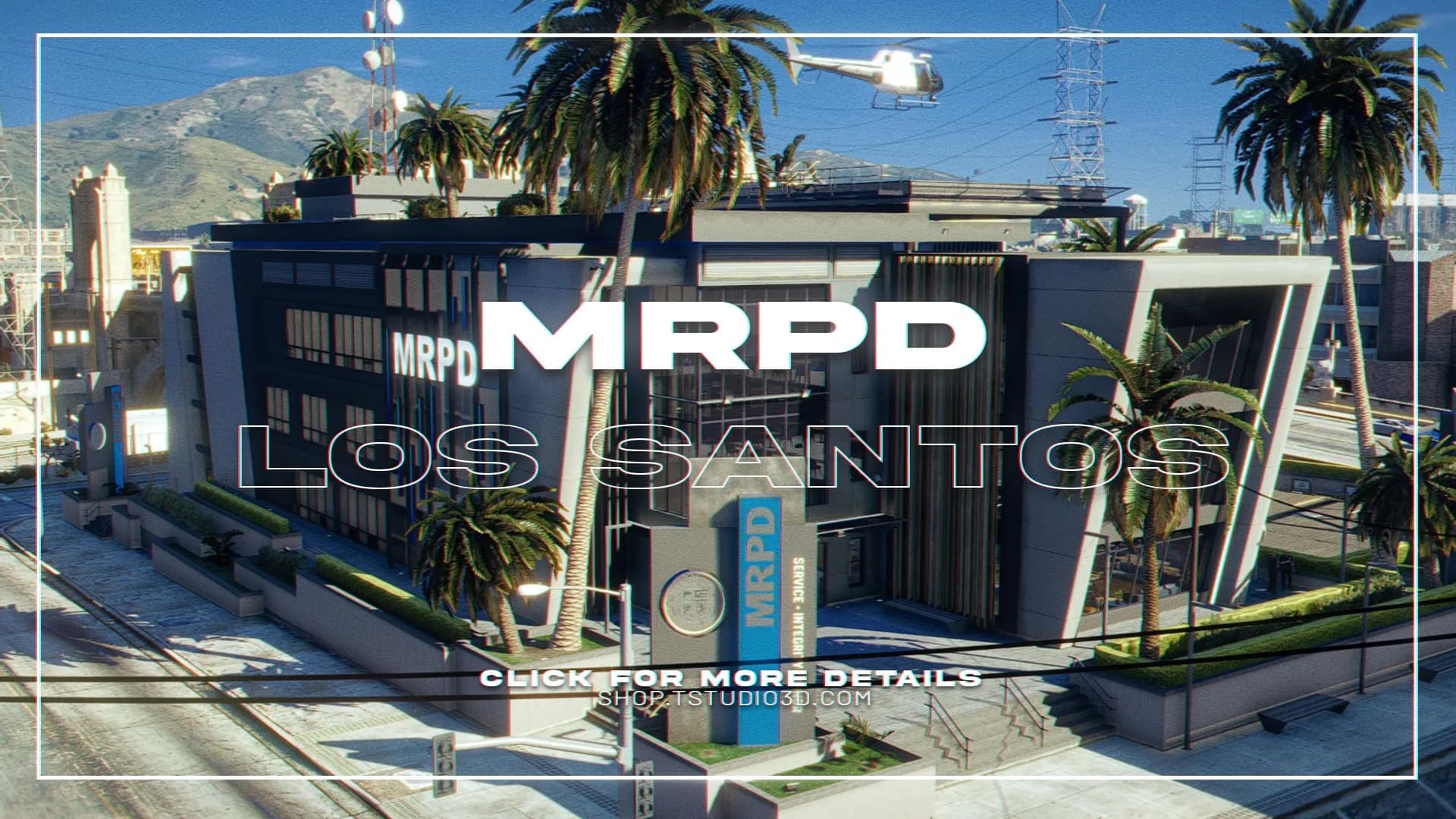
Verbessern Sie das Polizei-Roleplay auf Ihrem FiveM-Server mit dem LSPD Merah, einem umfassenden Polizeirevier-Interieur, speziell für professionelle Polizeioperationen entwickelt.
LSPD Merah - Premium Polizei Department MLO Interior
Verleihe deinem FiveM-Server eine professionelle Polizei-Rollenspiel-Atmosphäre mit der LSPD Merah, einem umfassenden Polizei-Department-Interieur, das speziell für professionelle Polizeieinsätze entworfen wurde. Diese detaillierte MLO verwandelt eine Standard-Polizeistation in eine voll funktionsfähige Rechtsvollzugsbehörde mit Buchungbereichen, Haftzellen, Büros, Besprechungsräumen, Waffenkammern und allen notwendigen Bereichen für realistische Polizei-Rollenspiele. Egal, ob du einen ernsthaften Rechtsvollzugsserver betreibst oder die Polizeiabteilung deines allgemeinen Rollenspiels vertiefst, diese MLO bietet die Infrastruktur für authentische Polizeioperationen von Patrouillenbesprechungen bis hin zu Verdächtigenverhören.
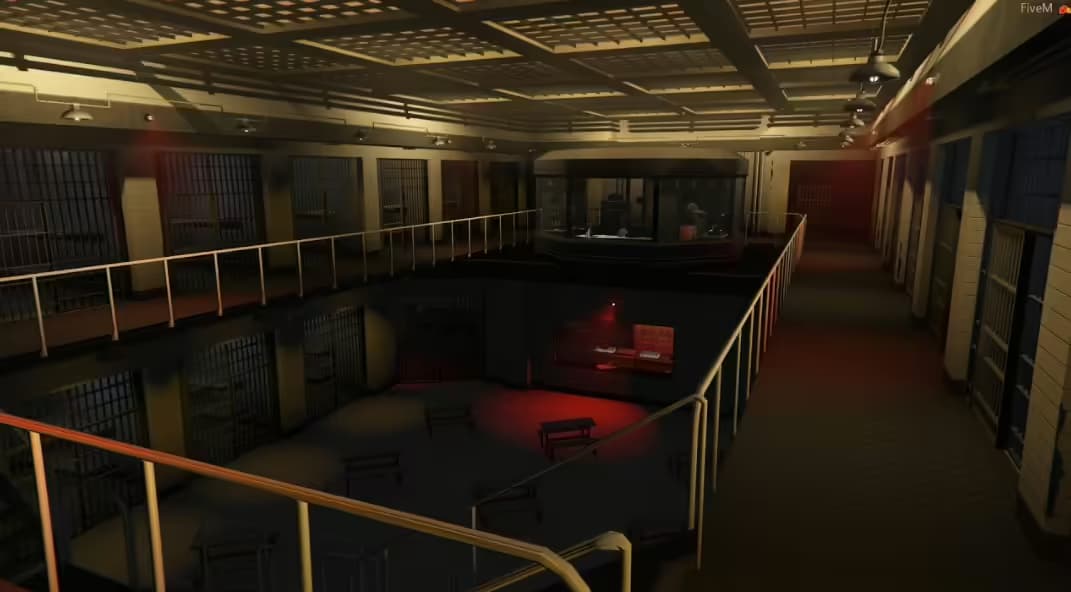
Die LSPD Merah-Innenausstattung bietet alles, was ein funktionierendes Polizei-Department benötigt. Die Hauptetage umfasst einen Empfangsschalter, an dem Zivilisten Verbrechen melden oder Hilfe anfordern können, einen Großraumbereich mit Schreibtischen für die Beamten zur Erledigung von Papierkram und Berichten sowie einen sicheren Beweismitteltresor zur Katalogisierung beschlagnahmter Gegenstände. Haftzellen ermöglichen die vorübergehende Festnahme von Verdächtigen während der Verarbeitung, während dedizierte Verhörräume private Bereiche für die Vernehmung von Verdächtigen und Zeugenaussagen bieten.
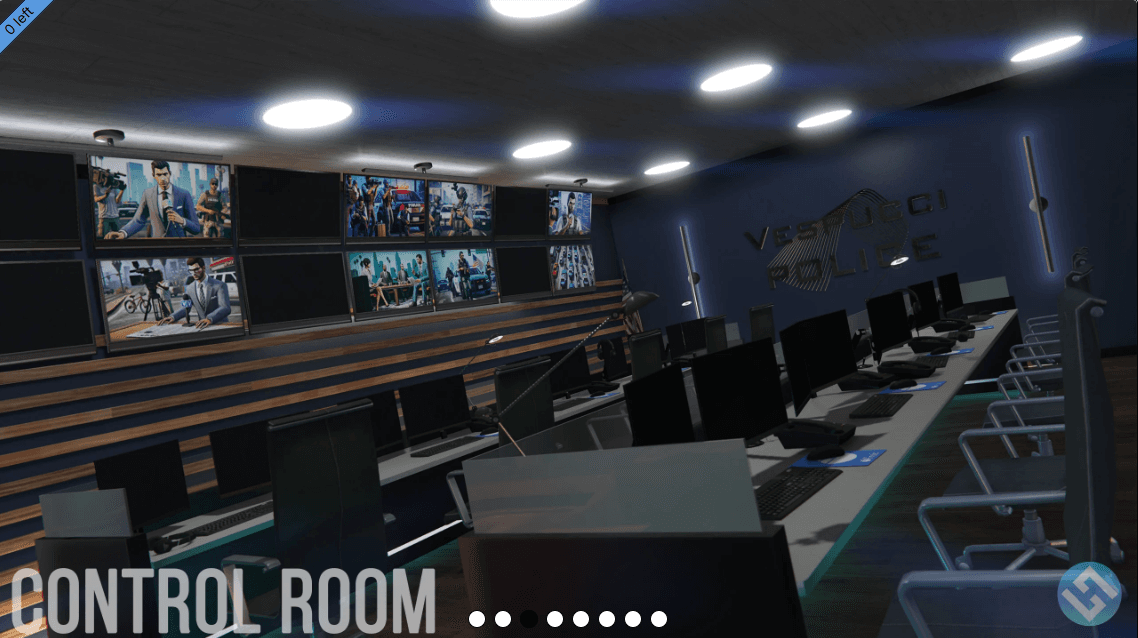
Obergeschosse oder gesicherte Bereiche beherbergen spezialisierte Einrichtungen - Besprechungsräume, in denen Schichten ihre Einsätze erhalten und taktische Planung stattfindet, Waffenkammern, in denen die Dienstwaffen und Ausrüstung des Departments gelagert werden, Büros für Sergeants und Lieutenants sowie möglicherweise einen Schießstand oder ein Trainingsgelände. Umkleideräume ermöglichen den Beamten, in ihre Uniformen zu schlüpfen und persönliche Gegenstände aufzubewahren. Die umfassende Gestaltung schafft eine authentische Polizei-Department-Atmosphäre, in der jeder Aspekt der Rechtsvollzugsoperationen einen geeigneten physischen Raum hat.
Wichtige Funktionen
- Empfang & Rezeption - Öffentlicher Bereich, in dem Zivilisten mit der Rechtsvollzugsbehörde interagieren
- Polizeibüro - Schreibtische für Papierkram, Computer für den Zugriff auf Datenbanken und tägliche administrative Arbeiten
- Haftzellen - Gesicherte Bereiche zur vorübergehenden Festnahme von Verdächtigen während der Verarbeitung
- Verhörräume - Private Verhörbereiche mit Zwei-Wege-Spiegeln zur Beobachtung
- Besprechungsraum - Versammlungsbereich für Schichtbesprechungen, Schulungen und taktische Planung
- Waffenkammer - Gesicherter Waffenlagerraum mit Gestellen für Gewehre, Schrotflinten und taktische Ausrüstung
- Büros für Vorgesetzte - Private Arbeitsbereiche für Sergeants, Lieutenants und administrative Mitarbeiter
- Beweismitteltresor - Gesicherter Raum für beschlagnahmte Gegenstände, Beweismittel und Fallunterlagen
- Umkleideräume - Umkleideräume mit Spinden für Uniformen und persönliche Ausrüstung
- Professionelles Design - Authentischer Polizei-Department-Style mit passender Dekoration und Beschilderung
Ideal für folgende Polizeiszenarien
- Verdächtigenverarbeitung - Buchung von Festgenommenen, Anfertigung von Fotos und Fingerabdrücken
- Verhöre - Detektivarbeit bei der Befragung von Verdächtigen zur Gewinnung von Geständnissen oder Informationen
- Schichtbesprechungen - Sergeants briefen die Beamten über Prioritätsanrufe, gesuchte Verdächtige oder operative Direktiven
- Berichteschreiben - Beamte dokumentieren Vorfälle, Festnahmen und tägliche Aktivitäten
- Beweismittelverzeichnis - Katalogisierung von beschlagnahmten Gegenständen, Verfolgung der Kette der Beweismittel
- Waffenausgabe - Beamte holen Gewehre, Schrotflinten oder taktische Ausrüstung aus der Waffenkammer aus
- Bürgerberichte - Zivilisten erstatten Polizeiberichte für Diebstähle, Körperverletzungen oder vermisste Personen
- Interne Angelegenheiten - Untersuchungen von Beamtenverfehlungen oder die Verarbeitung von Beschwerden
- Schulungssitzungen - Ausbildung von Rekruten, Auffrischungskurse für den Einsatz von Gewalt oder Aktualisierungen der Richtlinien
- Leitungsbesprechungen - Planungen von Abteilungen oder die Überprüfung der Leistung
Technische Spezifikationen
- Dateigröße: Ca. 50-80 MB (umfassendes Polizei-Gebäude mit zahlreichen Details)
- Leistungsimpact: Niedrig bis mittel - optimiert für mehrere gleichzeitige Benutzer
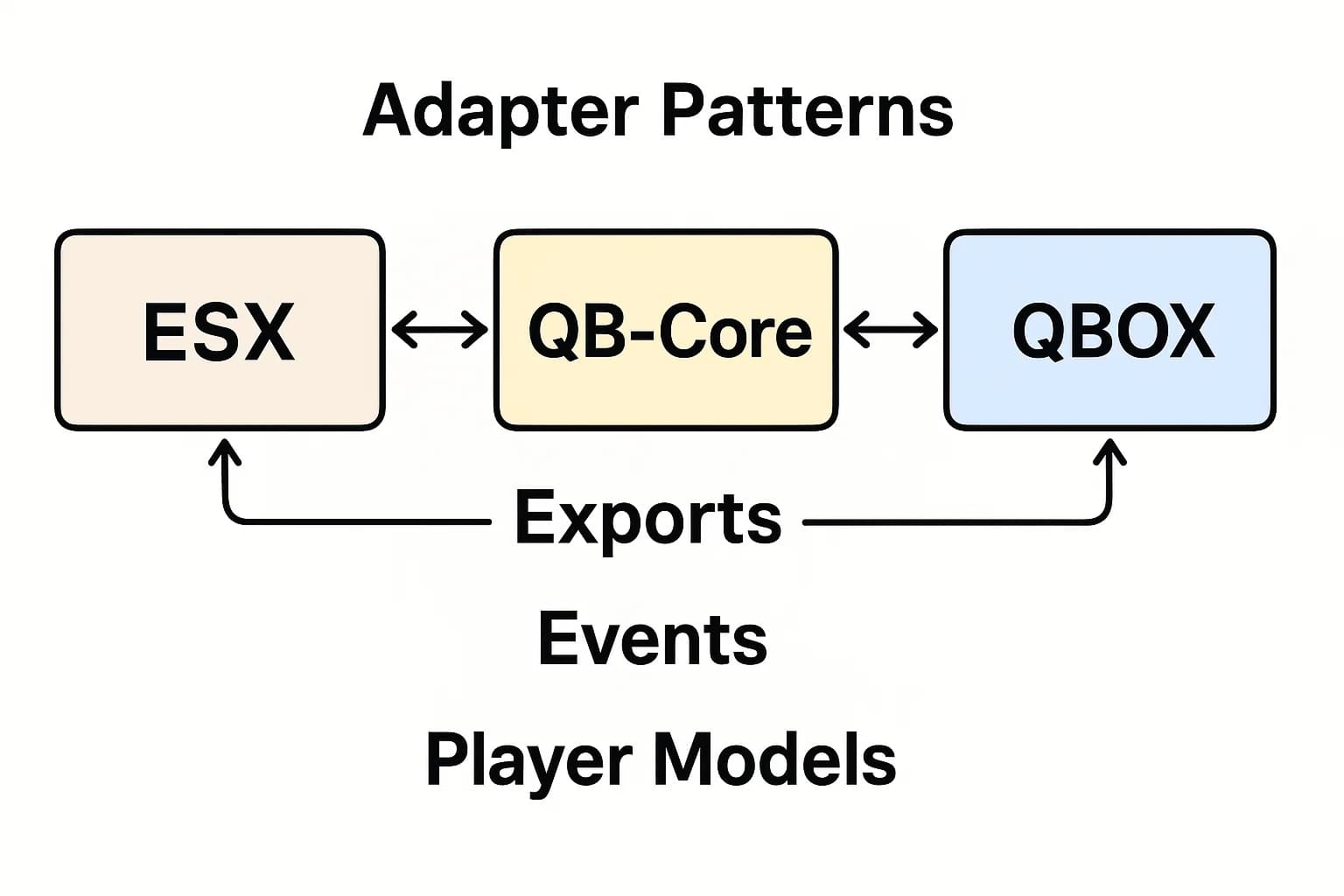
- Kompatibilität: Alle FiveM-Frameworks (ESX, QBCore, QBOX, vRP, Standalone)
- Installationsmethode: Stream-Ordner mit Teleport-Konfiguration
- Zellenkapazität: Mehrere Haftzellen zur vorübergehenden Festnahme (in der Regel 4-8 Zellen)
- Büroanzahl: Mehrere Schreibtischpositionen und private Büros für die Hierarchie des Departments
- Kollisionssystem: Vollständige Kollisionsabbildung für Möbel, Türen und architektonische Elemente
- Eigenschaftenzahl: 800-1200+ Eigenschaften, die eine detaillierte Rechtsvollzugsumgebung schaffen
- Beleuchtungszonen: Professionelle Innenraumbeleuchtung geeignet für Operationen und Aufzeichnungen
Installationsprozess
- Lade den LSPD Merah-Paket von deiner FiveMX-Kaufbestätigung herunter
- Entpacke den ZIP-Ordner, um auf den vollständigen MLO-Resource-Ordner zuzugreifen
- Kopiere den MLO-Ordner in deinen Serverordner (server-data/resources/[maps])
- Füge
ensure [lspd-merah-ordner]in deine server.cfg-Datei ein - Konfiguriere Teleport-Marker für Stationseingänge und -ausgänge
- Setze Zugriffsbeschränkungen, um den Innenbereich auf Mitglieder des Polizei-Departments zu beschränken
- Optional: Konfiguriere Türschlösser für Haftzellentüren
- Optional: Setze Waffenkammer-Zugriffsbeschränkungen auf bestimmte Ränge
- Starte den Server neu und verifiziere das richtige Laden und die Kollision des Innenbereichs
- Teste Departmentsfunktionen - Zellentüren, Waffenkammerzugriff, Bürobereiche
Framework-Kompatibilität & Integration
- ✅ ESX Legacy - Funktioniert mit esx_policejob, esx_jail, esx_property für die Infrastruktur des Departments
- ✅ QBCore - Kompatibel mit qb-policejob, qb-prison, qb-management für LSPD-Operationen
- ✅ QBOX - Vollständige Integration mit QBOX-Polizeisystemen und Job-Strukturen
- ✅ vRP - unterstützt vRP-Polizeigruppen, Berechtigungen und organisatorische Hierarchien
- ✅ Standalone - Funktioniert als Map-Erweiterung für benutzerdefinierte Polizeiskripte
Polizeidepartment-Operationen
Dieses LSPD Merah-Innenbereich dient als operatives Zentrum für dein Server-Rechtsvollzug. Beamte beginnen ihre Schichten, indem sie sich am Empfang anmelden, an Besprechungen im Konferenzraum teilnehmen und Ausrüstung aus der Waffenkammer auschecken. Während der Patrouille kehren sie zur Station zurück, um Festnahmen zu verarbeiten - Verdächtige in Haftzellen zu buchen, Verhöre durchzuführen und Beweismittel zu loggen. Der physische Arbeitsablauf schafft realistische Polizeiroutinen anstelle von magischer Teleportation und sofortiger Verarbeitung.
Die dedizierten Bereiche unterstützen spezialisierte Rollen. Detektive bearbeiten Fälle von Schreibtischbereichen aus, indem sie Beweise überprüfen und Untersuchungen koordinieren. Vorgesetzte führen Leistungsbewertungen in privaten Büros durch. Ausbilder unterrichten Rekruten im Konferenzraum. Die departamentale Struktur erfordert eine angemessene physische Infrastruktur, und dieser MLO liefert genau das.
Was diesen LSPD MLO auszeichnet
Professionelle Polizeistationen müssen Sicherheit, Funktionalität und Ästhetik ausbalancieren. Das Layout muss öffentliche Bereiche von sicheren Zonen trennen - Zivilisten sollten nicht in den Beweismitteltresor oder die Waffenkammern wandern. Haftzellen benötigen eine angemessene Sicherheit, um Ausbrüche zu verhindern, bleiben jedoch zugänglich für die Verarbeitung. Verhörräume benötigen Privatsphäre für vertrauliche Gespräche, während sie die Beobachtung von Vorgesetzten ermöglichen.
Das LSPD Merah-Design adressiert diese funktionalen Anforderungen, während es die visuelle Qualität beibehält. Die Umgebung fühlt sich wie ein arbeitendes Polizei-Department an, anstatt wie ein Schmuckstück. Schreibtische zeigen Gebrauchsspuren, Haftzellen sehen angemessen karg aus, und das allgemeine Ambiente kommuniziert Autorität und Organisation. Die Aufmerksamkeit zum Detail schafft Immersion - Spieler fühlen sich tatsächlich wie Teil einer legitimen Rechtsvollzugsbehörde.
Performance-Optimierung stellt sicher, dass die Station große Versammlungen des Departments handhabt. Wenn gesamte Schichten gleichzeitig für Besprechungen einchecken, sorgt das optimierte Design für eine stabile FPS. Während großer Vorfälle, bei denen mehrere Verdächtige verarbeitet werden müssen, wird die Station nicht zu einem FPS-Friedhof. Diese Zuverlässigkeit ist wichtig für Server, bei denen Polizeioperationen zentral für das Gameplay sind.
Buchungs- und Verarbeitungssysteme
Die Haftzellen und Verarbeitungsbereiche integrieren sich in Festnahme- und Gefängnisskripte. Beamte bringen Verdächtige zur Station, verarbeiten sie durch die Buchung (Fotos, Fingerabdrücke, Eigentumseinzug), platzieren sie vorübergehend in Haftzellen und transferieren sie schließlich ins Gefängnis oder entlassen sie auf Kaution. Die physischen Bereiche machen diesen bürokratischen Prozess greifbar, anstatt abstrakte Menüinteraktionen.
Verhörräume vertiefen die Detektivarbeit. Statt Geständnisse durch Chat-Nachrichten zu extrahieren, bringen Detektive Verdächtige in dedizierte Verhörräume, um den richtigen Druck und die Fragen zu setzen. Die Zwei-Wege-Spiegel ermöglichen Vorgesetzten oder Kollegen die Beobachtung, um Backup oder Vorschläge zu bieten. Diese Umgebungslemente verbessern die Qualität der Rollenspiele.
Departmentshierarchie & Organisation
Die mehreren Bürobereiche und rangspezifischen Bereiche unterstützen die Hierarchie des Polizei-Departments. Patrol Officers teilen sich den Großraumbereich, Sergeants haben halbrund Private-Schreibtischbereiche, Lieutenants erhalten individuelle Büros, und der Chief kommandiert von einem Premium-Büro aus. Diese physische Stratifikation stärkt die organisatorische Struktur - der Rang kommt mit konkreten Vorteilen wie privatem Arbeitsplatz und besseren Annehmlichkeiten.
Die Waffenkammer-Zugriffsbeschränkungen schaffen Fortschrittssysteme. Neue Rekruten haben möglicherweise nur Zugang zu Seitenwaffen und grundlegender Ausrüstung. Erfahrene Beamte entsperren Gewehre und Patronen. SWAT-Mitglieder haben Zugang zu spezialisierter taktischer Ausrüstung. Die physische Inventarverwaltung, die mit dem Rang verbunden ist, schafft bedeutenden Fortschritt, den Spieler sehen und interagieren können.
Schulung & Entwicklung
Der Konferenzraum unterstützt die Polizei-Akademie-Schulung. Instruktoren führen Kurse über Gesetze, Verfahren, den Einsatz von Gewalt und Taktiken durch. Rekruten absolvieren Prüfungen und praktische Bewertungen, bevor sie Feldzuordnungen erhalten. Der physische Klassenraum schafft Struktur und Formalität, die Online-Schulungsdokumente nicht erreichen können. Absolventen fühlen sich, als hätten sie eine legitime Schulung absolviert, anstatt nur Wikis zu lesen.
Fortlaufende Schulungen nutzen dieselben Bereiche - erfahrene Beamte absolvieren Auffrischungskurse, neue Richtlinien werden während Abteilungsbesprechungen erklärt, und taktische Schulungen bereiten Einheiten auf spezifische Operationen vor. Der vielseitige Konferenzraum unterstützt alle diese Bildungs- und Planungsfunktionen.
Beweismittel- & Eigentumsverwaltung
Der Beweismitteltresorraum Adds Realism zu Untersuchungsprozessen. Gegenstände, die während Festnahmen oder an Tatorten beschlagnahmt wurden, werden in Beweismittel geloggt, was eine physische Manifestation von Fallunterlagen schafft. Detektive können Beweismittel zur Überprüfung abrufen, Kriminelle könnten versuchen, Beweismitteltresore einzubrechen, um belastende Materialien zu zerstören, und angemessene Kette-der-Bewahrung-Verfahren werden durch Rollenspiel durchsetzbar.
Eigentumsspeicherung für während Festnahmen beschlagnahmte Gegenstände verhindert, dass Verdächtige wertvolle Beweismittel sofort nach der Freilassung zurückerhalten. Der bürokratische Prozess der Eigentumsrückerstattung nach der Verbüßung von Strafen schafft Konsequenzen für kriminelle Aktivitäten und Gelegenheiten für korrupte Beamte, wertvolle Beweismittel zu verlieren.
Zivilisteninteraktion & öffentliche Dienstleistungen
Der Empfangbereich schafft eine angemessene Schnittstelle zwischen Bürgern und der Rechtsvollzugsbehörde. Zivilisten betreten die Station, um Berichte zu erstatten, Aufzeichnungen anzufordern, Hilfe anzufordern oder Informationen zu melden. Diese Zugänglichkeit macht das Polizei-Department wie eine öffentliche Dienstleistung fühlen, anstatt eine isolierte militärische Anlage. Die Mischung aus öffentlichen und sicheren Bereichen erfordert eine sorgfältige Navigation - Beamte sorgen dafür, dass Zivilisten nicht in gesicherte Zonen wandern.
Das öffentliche Design schafft auch Verwundbarkeit. Verzweifelte Kriminelle könnten Angriffe auf die Station unternehmen, um inhaftierte Verbündete zu befreien, was dramatische Angriffsszenarien schafft. Das Layout muss die Zugänglichkeit gegen Sicherheit ausbalancieren, was taktische Überlegungen für sowohl polizeiliche Verteidiger als auch potentielle Angreifer schafft.
Korruption & Interne Angelegenheiten
Polizeistationsinnenbereiche unterstützen komplexe Storylines über Korruption und interne Untersuchungen. Korrupte Beamte könnten Beweismittel im Tresor verstecken, Berichte aus Computersystemen löschen oder mit Kriminellen in privaten Büros treffen. Interne Angelegenheiten-Beamte vernehmen Beamte in Verhörräumen, durchsuchen Spinde während Korruptionsuntersuchungen oder beobachten Operationen.
Diese Szenarien vertiefen die Geschichte jenseits einfacher Guten-Cop-gegen-bösen-Kriminellen-Narrative. Die physischen Bereiche, in denen Korruption stattfindet, werden wichtig - ein Vorgesetztenbüro, in dem Bestechungsgelder ausgetauscht werden, ein Beweismitteltresor, in dem belastende Gegenstände verschwinden, oder eine Waffenkammer, in der Waffen gestohlen und an Kriminelle verkauft werden. Die Umgebung erleichtert diese komplexen Storylines.
Schichtkultur & Gemeinschaft
Polizeistationen werden zu sozialen Zentren für Departmentsmitglieder. Beamte versammeln sich in Umkleideräumen vor Schichten, um persönliche Leben und Kameradschaft aufzubauen. Pausenräume (wenn vorhanden) beherbergen informelle Gespräche und Beziehungspflege. Die physischen Versammlungsbereiche schaffen Departmentskultur und -gemeinschaft, die pure taktische Operationen nicht erreichen können.
Diese soziale Dimension verbessert die Bindung - Spieler schließen sich Polizeiabteilungen nicht nur zum Schießen von bösen Jungs an, sondern für die Gemeinschaft und Beziehungen, die gebildet werden. Der Stationsumgebung erleichtert diese Verbindungen durch Nähe und gemeinsame Bereiche, um organische Interaktionen zu schaffen, die starke Departmentsbindungen aufbauen.
Multi-Department-Unterstützung
Je nach Server-Struktur könnte dieser LSPD-Innenbereich mehrere Abteilungen oder spezialisierte Units beherbergen. Die Patrol Division nutzt den Haupt-Großraumbereich, Detektive haben Untersuchungsbereiche, SWAT hat spezialisierte Bereiche und Verkehrspolizei hat dedizierte Zonen. Das flexible Layout passt sich verschiedenen organisatorischen Strukturen an, ohne separate MLOs für jede Abteilung zu erfordern.
Einige Server teilen unterschiedliche Schichten in derselben Station - Tagschicht nutzt die Einrichtungen von 6 Uhr morgens bis 14 Uhr, Abendschicht von 14 Uhr bis 22 Uhr und Nachtschicht von 22 Uhr bis 6 Uhr morgens. Die gemeinsame Infrastruktur schafft Kontinuität, während Schichtkulturen unterschiedliche Identitäten durch die Nutzung der gleichen Bereiche entwickeln.
Anpassung & Personalisierung
Server können den LSPD Merah anpassen, um ihre spezifischen Bedürfnisse oder das Branding zu entsprechen. Fügen Sie abteilungspezifische Beschilderung hinzu, ändern Sie die Uniformspinde, um der Abteilungsstruktur zu entsprechen, oder fügen Sie Gedenkstätten für gefallene Beamte hinzu. Einige Server fügen Kaffeestationen, Vitrinen mit Abteilungsleistungen oder Gemeinschaftsplakate mit Steckbriefen und Abteilungsankündigungen hinzu.
Diese Modifikationen schaffen eine einzigartige Identität, während sie das professionelle Fundament beibehalten. Das neutrale Design passt sich Anpassungen an, ohne visuelle Konflikte zu verursachen, so dass Server den LSPD Merah personalisieren können, ohne die Qualität zu verlieren.
Support & Investitionswert
Mit $26 ist der LSPD Merah eine signifikante Investition in die Polizei-Infrastruktur deines Servers. Der Resource enthält lebenslange Updates, um die Kompatibilität mit zukünftigen FiveM-Versionen und Framework-Versionen sicherzustellen. Wenn du Installationshilfe, Zugriffskontrollkonfiguration oder Integration mit spezifischen Polizeiskripten benötigst, steht Support über die FiveMX-Plattform zur Verfügung.
Für Server, bei denen die Polizei-Rollenspiele zentral für die Erfahrung sind, bietet dieser Polizei-Stations-MLO die notwendige Infrastruktur. Die professionelle Qualität, umfassenden Einrichtungen und funktionale Gestaltung schaffen die Umgebung, die ernsthafte Polizei-Rollenspiele verdienen. Egal, ob du einen dedizierten Rechtsvollzugsserver aufbaust oder bestehende Polizeiabteilungen vertiefst, der LSPD Merah liefert die Qualität und Funktionalität, die Polizeioperationen interessant, realistisch und professionell präsentieren.