LSPD Merah
Elevate your FiveM server's law enforcement roleplay with the LSPD Merah, a comprehensive police department interior designed specifically for professional police operations. This detailed MLO transfo...
Video Preview
Click to load video from YouTube. By watching, you agree to their privacy policy.
LSPD Merah - Premium Police Department MLO Interior
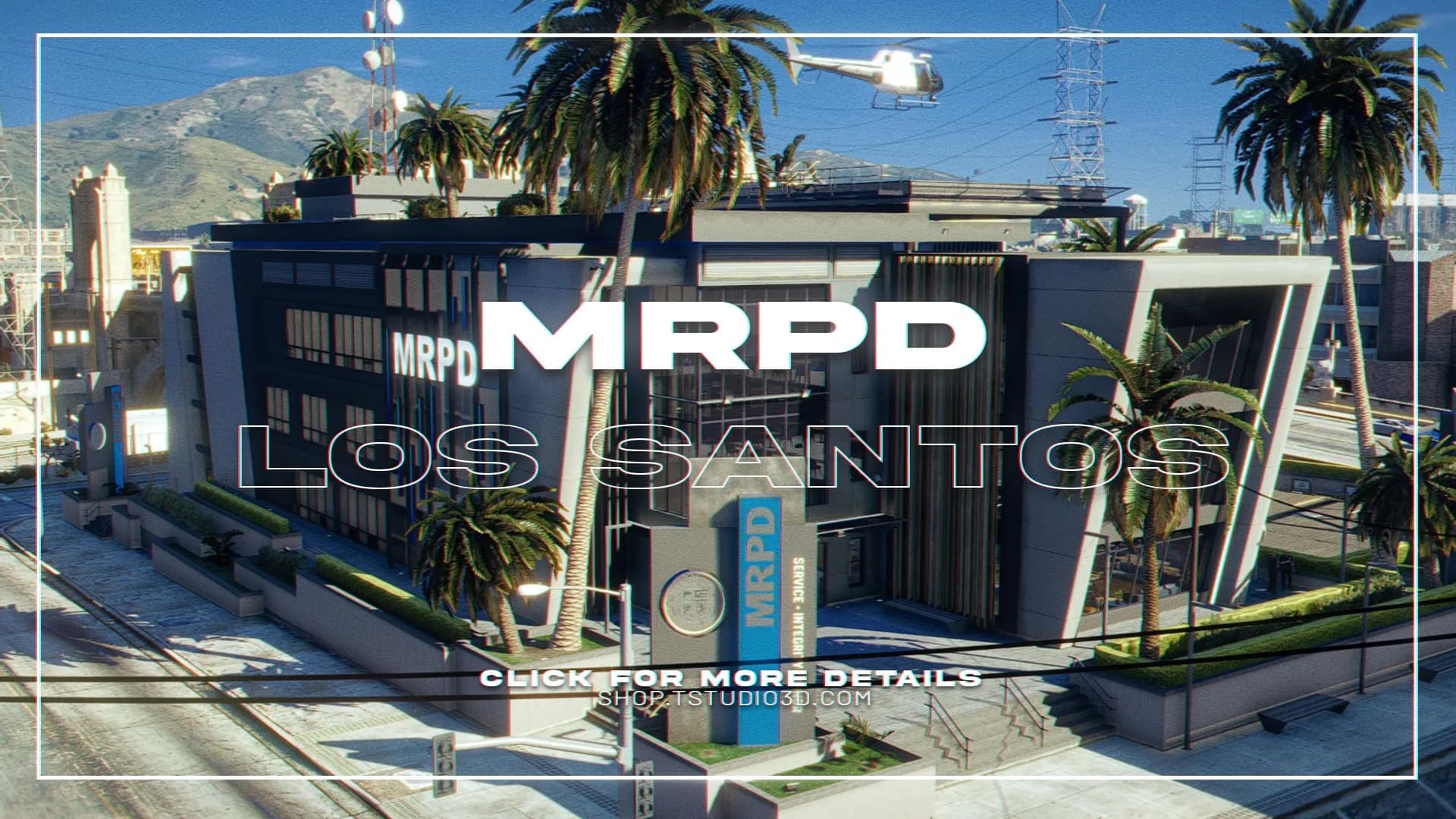
Elevate your FiveM server's law enforcement roleplay with the LSPD Merah, a comprehensive police department interior designed specifically for professional police operations. This detailed MLO transforms a standard police station into a fully functional law enforcement facility complete with booking areas, holding cells, offices, briefing rooms, armories, and all the essential spaces needed for realistic police roleplay. Whether you're running a serious law enforcement server or adding police department depth to general roleplay, this MLO provides the infrastructure for authentic police operations from patrol briefings to suspect interrogations.
https://www.youtube.com/watch?v=GQFWs_tRAu8What's Included in This Police Station MLO
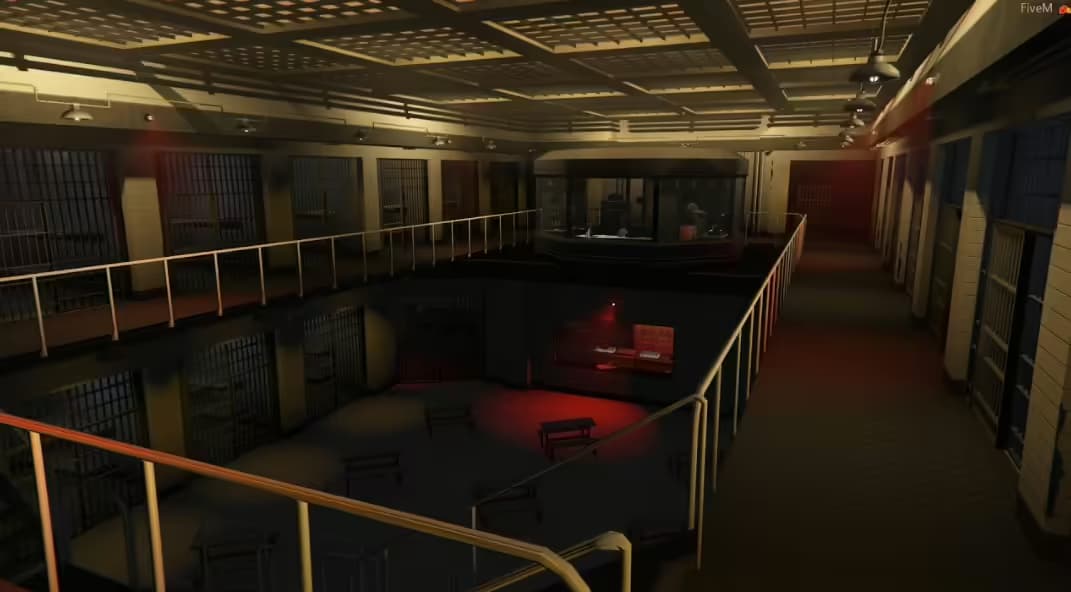
The LSPD Merah interior features everything a functioning police department requires. The main level includes a reception desk where civilians report crimes or request assistance, a bullpen area with desks for officers to complete paperwork and reports, and secure evidence storage for cataloging seized items. Holding cells allow temporary detention of suspects during processing, while dedicated interview rooms provide private spaces for suspect interrogation and witness statements.
Upper floors or secure areas house specialized facilities - briefing rooms where shifts receive assignments and tactical planning occurs, armories storing department weapons and equipment, supervisor offices for sergeants and lieutenants, and potentially a firing range or training area. Locker rooms allow officers to change into uniforms and store personal items. The comprehensive design creates an authentic police department atmosphere where every aspect of law enforcement operations has appropriate physical space.
Key Features
- Reception & Front Desk - Public-facing area where civilians interact with law enforcement
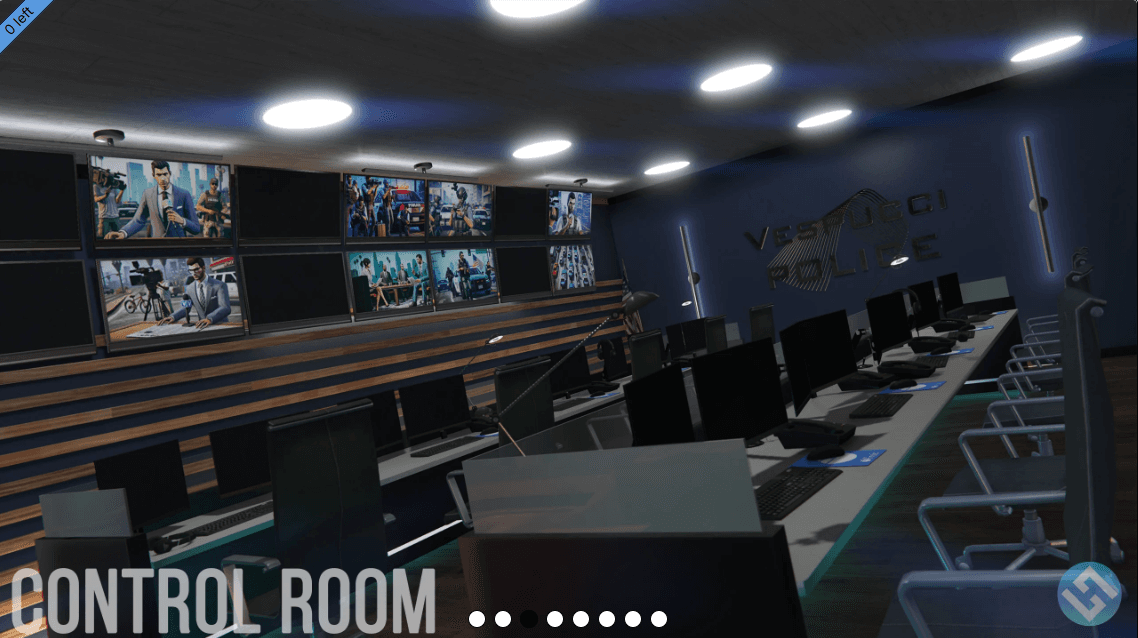
- Officer Bullpen - Desks for paperwork, computers for database access, and daily administrative work
- Holding Cells - Secure temporary detention for suspects during booking and processing
- Interview Rooms - Private interrogation spaces with two-way mirrors for observations
- Briefing Room - Meeting space for shift briefings, training, and tactical planning
- Armory - Secure weapons storage with racks for rifles, shotguns, and tactical gear
- Supervisor Offices - Private workspace for sergeants, lieutenants, and administrative staff
- Evidence Storage - Secure room for seized property, crime scene evidence, and case materials
- Locker Rooms - Changing facilities with lockers for uniforms and personal equipment
- Professional Design - Authentic police department aesthetic with appropriate decor and signage
Perfect For These Police Scenarios
- Suspect Processing - Booking arrested individuals, taking mugshots, and collecting fingerprints
- Interrogations - Detective work questioning suspects to extract confessions or information
- Shift Briefings - Sergeants briefing officers on priority calls, wanted suspects, or operational directives
- Report Writing - Officers documenting incidents, arrests, and daily activities
- Evidence Logging - Cataloging seized items, chain of custody documentation
- Weapon Checkout - Officers signing out rifles, shotguns, or tactical equipment from armory
- Citizen Reporting - Civilians filing police reports for thefts, assaults, or missing persons
- Internal Affairs - Investigations into officer misconduct or complaint processing
- Training Sessions - Recruit training, use-of-force refreshers, or policy updates
- Command Meetings - Department leadership planning operations or reviewing performance
Technical Specifications
- File Size: Approximately 50-80 MB (comprehensive police facility with extensive detail)
- Performance Impact: Low to medium - optimized for multiple simultaneous users
- Compatibility: All FiveM frameworks (ESX, QBCore, QBOX, vRP, Standalone)
- Installation Method: Stream folder with teleport configuration
- Cell Capacity: Multiple holding cells for temporary detention (typically 4-8 cells)
- Office Count: Multiple desk positions and private offices for department hierarchy
- Collision System: Complete collision mapping for furniture, doors, and architectural elements
- Props Count: 800-1200+ props creating detailed law enforcement environment
- Lighting Zones: Professional interior lighting suitable for operations and recordings
Installation Process
- Download the LSPD Merah package from your FiveMX purchase confirmation
- Extract the ZIP file to access the complete MLO resource folder
- Copy the MLO folder to your server's resources directory (server-data/resources/[maps])
- Add
ensure [lspd-merah-folder]to your server.cfg file - Configure teleport markers for station entrances and exits
- Set access restrictions limiting interior access to police department members
- Optional: Configure holding cell doors with locking mechanisms
- Optional: Set armory access restrictions to specific ranks
- Restart server and verify proper interior loading and collision
- Test department functions - cell doors, armory access, office areas
Framework Compatibility & Integration
- ✅ ESX Legacy - Works with esx_policejob, esx_jail, esx_property for department infrastructure
- ✅ QBCore - Compatible with qb-policejob, qb-prison, qb-management for LSPD operations
- ✅ QBOX - Full integration with QBOX police systems and job structures
- ✅ vRP - Supports vRP police groups, permissions, and organizational hierarchy
- ✅ Standalone - Functions as map enhancement for custom police scripts
Police Department Operations
This LSPD Merah interior serves as the operational hub for your server's law enforcement. Officers begin shifts by clocking in at the front desk, attending briefings in the meeting room, and checking out equipment from the armory. During patrol, they return to the station to process arrests - booking suspects in holding cells, conducting interviews, and logging evidence. The physical workflow creates realistic police routines rather than magical teleportation and instant processing.
The dedicated spaces support specialized roles. Detectives work cases from desk areas, reviewing evidence and coordinating investigations. Supervisors conduct performance reviews in private offices. Training officers instruct recruits in the briefing room. The departmental structure requires appropriate physical infrastructure, and this MLO delivers exactly that.
What Makes This LSPD MLO Stand Out
Professional police station MLOs balance security, functionality, and aesthetics. The layout must segregate public areas from secure zones - civilians shouldn't wander into evidence storage or armories. Holding cells need proper security preventing escapes while remaining accessible for processing. Interview rooms require privacy for confidential conversations while allowing supervisor observation.
The LSPD Merah design addresses these functional requirements while maintaining visual quality. The environment feels like a working police station rather than a showpiece. Desks show signs of use, holding cells look appropriately austere, and the overall atmosphere communicates authority and organization. The attention to detail creates immersion - players actually feel like they're operating a legitimate law enforcement agency.
Performance optimization ensures the station handles department-wide gatherings. When entire shifts clock in simultaneously for briefings, the optimized design maintains stable FPS. During major incidents when multiple suspects require processing, the station doesn't become a laggy mess. This reliability matters for servers where police operations are central to gameplay.
Booking & Processing Systems
The holding cells and processing areas integrate with arrest and jail scripts. Officers bring suspects to the station, process them through booking (mugshots, fingerprints, property seizure), place them in holding cells temporarily, and eventually transfer them to prison or release on bail. The physical spaces make this bureaucratic process feel tangible rather than abstract menu interactions.
Interview rooms add depth to detective work. Instead of extracting confessions through chat messages alone, detectives bring suspects to dedicated interrogation rooms, creating proper setting for psychological pressure and questioning. The two-way mirrors allow supervisors or fellow detectives to observe, providing backup or suggestions. These environmental elements enhance roleplay quality.
Department Hierarchy & Organization
The multiple office spaces and rank-specific areas support police department hierarchy. Patrol officers share the bullpen, sergeants have semi-private desk areas, lieutenants get individual offices, and the chief commands from a premium office. This physical stratification reinforces organizational structure - rank comes with tangible benefits like private workspace and better amenities.
The armory access restrictions create progression systems. New recruits might only access sidearms and basic equipment. Experienced officers unlock shotguns and patrol rifles. SWAT members access specialized tactical gear. The physical inventory management tied to rank creates meaningful advancement that players can see and interact with.
Training & Development
The briefing room supports police academy training. Instructors conduct classes on laws, procedures, use of force, and tactics. Recruits take exams and practical assessments before receiving field assignments. The physical classroom environment creates structure and formality that online training documents can't match. Graduates feel they've completed legitimate training rather than just reading wikis.
Ongoing training uses the same spaces - veteran officers attend refresher courses, new policies get explained during department-wide meetings, and tactical training prepares units for specific operations. The versatile briefing space supports all these educational and planning functions.
Evidence & Property Management
The evidence storage room adds realism to investigation processes. Items seized during arrests or found at crime scenes get logged into evidence, creating physical manifestation of case files. Detectives can pull evidence for review, criminals might attempt evidence room break-ins to destroy incriminating materials, and proper chain-of-custody procedures become enforceable through roleplay.
Property storage for items seized during arrests prevents suspects reclaiming contraband immediately upon release. The bureaucratic process of recovering property after serving sentences creates consequences for criminal activities and opportunities for corrupt officers to lose valuable evidence.
Civilian Interaction & Public Services
The front desk reception area creates proper interface between citizens and law enforcement. Civilians enter the station to file reports, request records, ask for assistance, or report information. This accessibility makes the police department feel like a public service rather than isolated military compound. The mix of public and secure areas requires thoughtful navigation - officers ensuring citizens don't wander into restricted zones.
The public-facing design also creates vulnerability. Desperate criminals might attempt station attacks to free imprisoned allies, creating dramatic assault scenarios. The layout must balance accessibility against security, creating tactical considerations for both police defenders and potential attackers.
Corruption & Internal Affairs
Police station interiors support complex storylines about corruption and internal investigations. Corrupt officers might plant evidence in storage, delete reports from computer systems, or meet with criminals in private offices. Internal Affairs investigators question officers in interview rooms, search lockers during corruption probes, or monitor operations.
These scenarios add depth beyond simple good cop vs bad criminal narratives. The physical spaces where corruption occurs become important - a supervisor's office where bribes are exchanged, evidence storage where incriminating items disappear, or armory where weapons are stolen and sold to criminals. The environment facilitates these complex storylines.
Shift Culture & Community
Police stations become social hubs for department members. Officers gather in locker rooms before shifts, discussing personal lives and building camaraderie. Break rooms (if included) host informal conversations and relationship building. The physical gathering spaces create department culture and community that pure tactical operations can't achieve.
This social dimension enhances retention - players join police departments not just for shooting bad guys but for the community and relationships formed. The station environment facilitates those connections through proximity and shared spaces, creating organic interactions that build strong department bonds.
Multi-Department Support
Depending on server structure, this LSPD interior might house multiple departments or specialized units. Patrol division occupies the main bullpen, detectives have investigation areas, SWAT maintains tactical spaces, and traffic enforcement has designated zones. The flexible layout accommodates various organizational structures without requiring separate MLOs for each division.
Some servers assign different shifts to the same station - day shift uses facilities from 6am-2pm, evening shift from 2pm-10pm, and night shift from 10pm-6am. The shared infrastructure creates continuity while shift cultures develop distinct identities through how they use the same spaces.
Customization & Personalization
Servers can customize the LSPD Merah to match their specific needs or branding. Add department-specific signage, change uniform lockers to match department structure, or include memorials for fallen officers. Some servers add coffee stations, trophy cases displaying department achievements, or community boards with wanted posters and department announcements.
These modifications create unique identity while maintaining the professional foundation. The neutral design accommodates additions without visual conflicts, allowing servers to personalize without losing quality.
Support & Investment Value
At $26, the LSPD Merah represents a significant investment in your server's police infrastructure. The resource includes lifetime updates ensuring compatibility with future FiveM builds and framework versions. If you need installation assistance, access control configuration, or integration with specific police scripts, support is available through the FiveMX platform.
For servers where law enforcement roleplay is central to the experience, this police station MLO provides essential infrastructure. The professional quality, comprehensive facilities, and functional design create the environment serious police roleplay deserves. Whether you're building a dedicated law enforcement server or enhancing existing police departments, the LSPD Merah delivers the quality and functionality that makes police operations engaging, realistic, and professionally presented.