Free
Does GTA 6 Really Need a Huge Map? (+ Map Concept)
Description
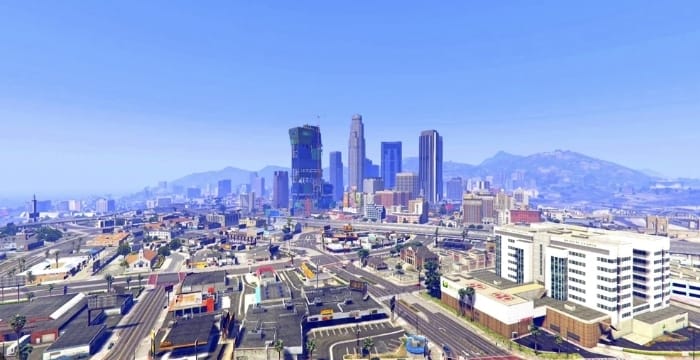
Maps in video games are more than just the setting—they’re integral to the player’s experience. For Rockstar Games, creators of the legendary Grand Theft Auto series, crafting immersive and memorable maps has been a hallmark of their success. One map, in particular, stands out as iconic: Los Santos, the sprawling urban and rural playground of GTA V.
Despite its acclaim, Los Santos also showcases the challenges of map design. With GTA VI on the horizon, fans are speculating: does the next installment need a huge map, or is there more to be gained from a focused, dense design?
Why Los Santos Is Iconic
Even if you’re not a gamer, you might recognize Los Santos. Modeled after Los Angeles, the city’s intricately designed neighborhoods, landmarks, and details evoke a sense of nostalgia for players. Whether you’re racing down the freeway, cruising through Vinewood Hills, or causing mayhem in the bustling city center, Los Santos offers endless memories.
However, Los Santos isn’t without its flaws. While the urban areas brim with life and activities, the countryside—encompassing Blaine County and Mount Chiliad—feels underutilized.
The Split Personality of GTA V’s Map
Los Santos is essentially divided into two distinct zones:
- The vibrant city center in the southern region.
- The sprawling rural areas to the north.
This split creates a stark contrast. Most players spend their time in the city, where missions, NPCs, and activities are concentrated. The northern countryside, while expansive and visually stunning, often feels empty and purposeless, except for a handful of missions that require a trip there.
Key issues with the countryside:
- Sparse activities: Few reasons to explore.
- Underutilized landmarks: Locations like the Alamo Sea and Mount Chiliad lack depth beyond surface visuals.
- Missed potential: Early beta screenshots suggested plans for more vegetation and dynamic features that were ultimately cut, possibly due to hardware limitations on PS3 and Xbox 360.
This imbalance between regions has left some players feeling that GTA V’s map prioritized size over substance.
Learning From Past GTA Maps
Rockstar’s history of map design provides valuable lessons:
- San Andreas (GTA: San Andreas): Despite being smaller than Los Santos, it feels larger due to its variety and dense spread of activities.
- Vice City (GTA: Vice City): Compact yet rich with vibrant areas, its layout encouraged exploration without ever feeling repetitive.
- Red Dead Redemption 2: Praised for its seamless integration of diverse biomes and purposeful design, it demonstrated Rockstar’s growth in crafting interactive worlds.
In contrast to GTA V, these maps were designed to maximize player engagement across all regions. Every corner of the map felt worth visiting, whether for missions, secrets, or just the joy of exploration.
What the Leaks and Trailer Tell Us About GTA VI
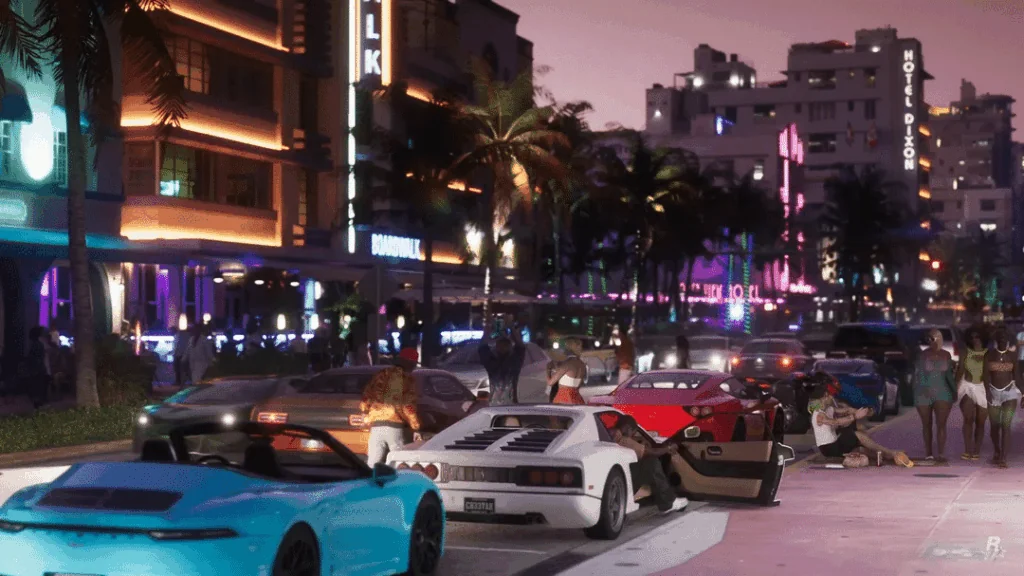
With the GTA VI trailer and the infamous 2022 leaks, fans have pieced together a preliminary concept of the game’s map. Set in a fictional version of Miami, Florida (dubbed Leonida by Rockstar), the map’s design seems to address several concerns raised by GTA V’s map.
Key observations from leaks and trailer analysis:
- Miami-inspired layout: A denser urban area with vibrant neighborhoods and waterways.
- Florida’s flat terrain: No mountains to dominate the landscape, allowing for more balanced use of land.
- Increased emphasis on water: The trailer hints at meaningful water-based gameplay, such as boating and fishing.
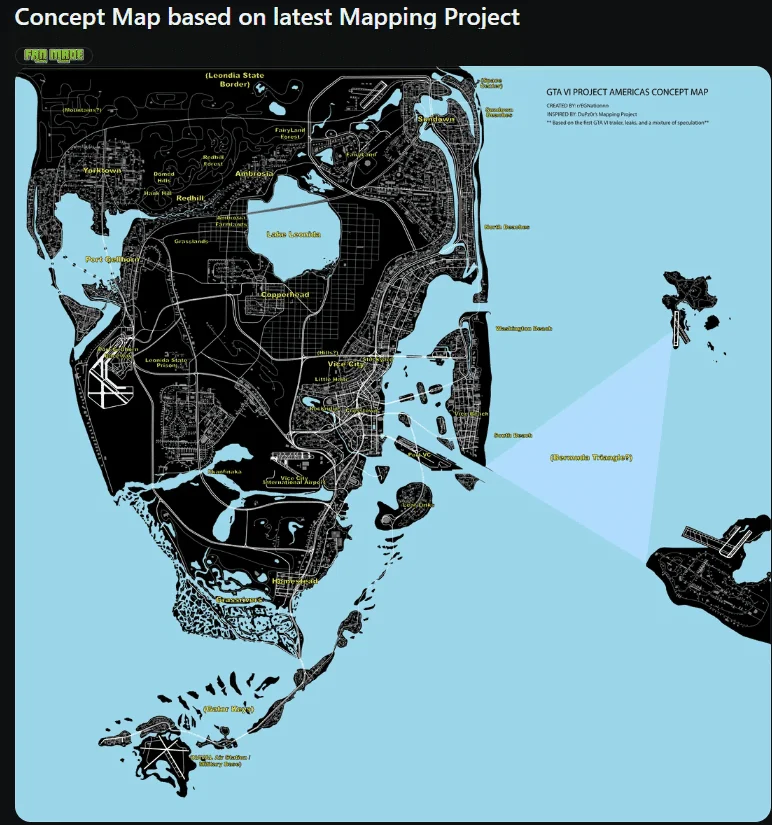
- Multiple cities: Speculation suggests more than one city, diversifying the gameplay experience. A user-created map compared real-life Florida locations with the trailer’s scenes, showing the potential for multiple urban and rural hubs.
Addressing Player Expectations
Many fans hoped for an enormous map encompassing all previous GTA cities or even the entire United States. While exciting in theory, such ambitions could compromise the quality of the game. Rockstar appears to have opted for a more focused approach, prioritizing depth over breadth.
Why a smaller, denser map might work better:
- Encourages exploration: No area feels neglected or barren.
- Improves performance: Detailed environments are easier to optimize for next-gen consoles.
- Enables meaningful updates: Rockstar plans to expand GTA VI’s map over time, potentially adding new regions post-launch.
What Fans Want From GTA VI’s Map
Based on community discussions, players have a clear wishlist for GTA VI:
- Accessible Interiors: A majority of buildings should be enterable, adding depth to exploration and interactions.
- Activities Galore: From fishing and street racing to basketball and unique NPC encounters, players want more to do in every area.
- Interactive World: Dynamic events and detailed NPC behavior can bring the map to life, making it feel like a living, breathing world.
- Balanced Design: Avoid large, empty spaces by ensuring every part of the map has a purpose.
Map Concept
The Case for a Smaller Map
A smaller, more densely packed map can also improve gameplay in unexpected ways:
- Memorable Navigation: Players learn the layout naturally, creating stronger connections to the world.
- Focused Storytelling: Missions and events are more impactful when tied to a cohesive setting.
- Better Replayability: A compact map reduces downtime, keeping players engaged for longer.
A former Rockstar developer even suggested this approach in an interview, saying: “A smaller, but more densely packed location could bring back some of that memorable navigation that I loved from the original GTA games.”
The Future of Open-World Design
Ultimately, the size of the map isn’t the most important factor. What matters is how the map feels during gameplay. Rockstar’s challenge with GTA VI will be to create a world that is:
- Immersive: Every area must feel alive and worth exploring.
- Balanced: No region should feel neglected or underutilized.
- Evolving: Post-launch updates can add new regions and features, keeping the game fresh.
If Rockstar succeeds, GTA VI could set a new benchmark for open-world games, proving that bigger isn’t always better. Los Santos taught us that maps don’t need to be massive—they need to be meaningful.
What do you think? Does GTA VI need a huge map, or is quality more important than quantity? Share your thoughts below!